


Immediately after dental implant surgery, your mouth begins a critical healing process where the titanium post integrates with your jawbone. The foods and drinks you consume during this initial window can either accelerate your recovery or introduce painful complications like infection, inflammation, or dislodged blood clots.
Choosing the right nutrition is essential for protecting the surgical site while giving your body the energy it needs to heal. By understanding exactly What Foods Can You Eat (and Avoid) Immediately After Dental Implant Surgery?, you can navigate the first few days of recovery with confidence and minimize any discomfort.
The Importance of a Soft Food Diet After Dental Implant Surgery
Following your procedure, the gum tissue and underlying bone are highly sensitive. Chewing requires significant force, and any pressure applied near the implant site can disrupt the delicate fusion process known as osseointegration. A soft food diet eliminates the need for aggressive chewing, preventing mechanical trauma to the healing gums.
Sticking to soft, easily digestible foods also helps maintain the stability of the blood clot that forms over the surgical site. This clot is your body’s natural bandage; if it is disturbed, you risk developing a painful condition called dry socket or exposing the area to harmful bacteria. Prioritizing soft foods ensures that you receive necessary nutrients without compromising the structural integrity of your new implant.
Best Soft Foods to Eat in the First 24 to 48 Hours

During the first two days of recovery, your diet should consist entirely of liquids and very soft foods that require zero chewing. With over 150,000 patients treated, we know firsthand how a proper post-operative diet ensures the best possible healing outcomes. Focus on meals that are gentle on the mouth but rich in vitamins to support tissue repair.
Lukewarm Broths and Pureed Soups
Broths and smooth, pureed soups are excellent sources of hydration and essential minerals. Options like bone broth, blended vegetable soup, or creamy tomato bisque provide nourishment without irritating the gums. It is crucial that these soups are served lukewarm rather than hot, as high temperatures can increase blood flow to the surgical site, leading to swelling and potential bleeding.
Yogurt, Applesauce, and Smoothies
Cold, smooth foods are incredibly soothing to inflamed tissues. Plain or Greek yogurt offers a healthy dose of calcium and probiotics, which support overall oral health. Applesauce is a gentle, vitamin-rich option that requires no chewing. Smoothies made with soft fruits like bananas, berries, and a liquid base provide excellent energy, but remember to consume them from a glass or with a spoon, never with a straw.
Nutrient-Dense Soft Proteins to Accelerate Healing
Your body requires protein to repair tissue and build new bone cells around the implant. Scrambled eggs are incredibly soft and packed with high-quality protein. Tofu is another excellent, easily mashed alternative that provides essential amino acids without stressing your jaw. Flaky, well-cooked fish like salmon offers anti-inflammatory omega-3 fatty acids, which can help reduce post-operative swelling and discomfort.
Foods and Temperatures to Strictly Avoid
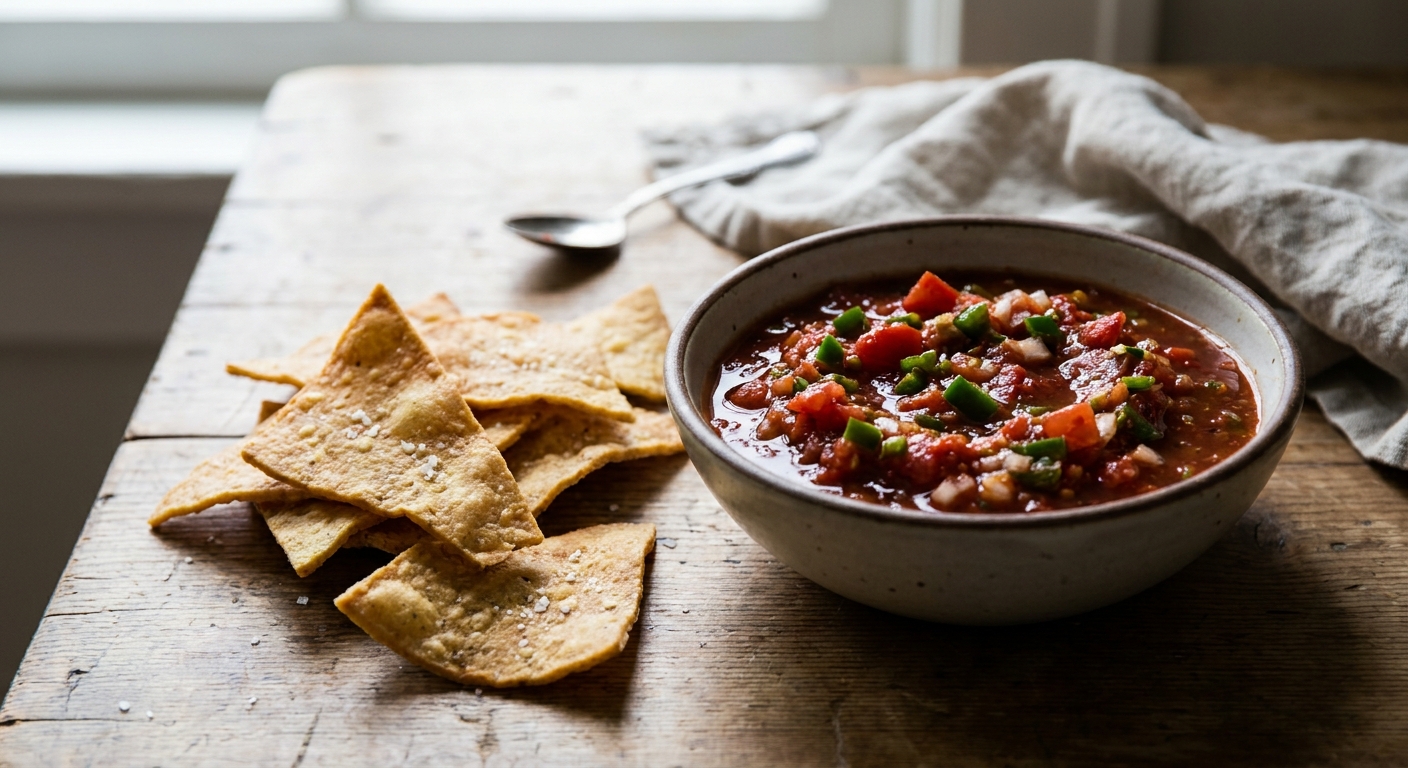
Just as important as knowing what to eat is knowing what to keep off your plate. Certain textures and temperatures pose a severe risk to your healing implant and can instantly derail your recovery process.
Hard, Crunchy, and Scratchy Foods
Foods with sharp edges or tough textures must be entirely eliminated from your diet during the initial healing phase. Chips, popcorn, nuts, crusty breads, and hard candies can easily scratch the tender gum tissue or become lodged in the surgical site. The physical force required to break down these foods can also cause the implant to shift before it has properly fused with the jawbone.
Spicy, Acidic, and Hot Foods
Spicy dishes and highly acidic foods, such as citrus fruits, tomatoes, and vinegar-based dressings, can cause severe stinging and irritation when they come into contact with open incisions. Furthermore, consuming hot foods or beverages elevates the temperature in your mouth, which can dissolve the protective blood clot and trigger secondary bleeding. Always allow your meals to cool to room temperature before eating.
Hydration Guidelines: Safe Drinks and the Danger of Straws
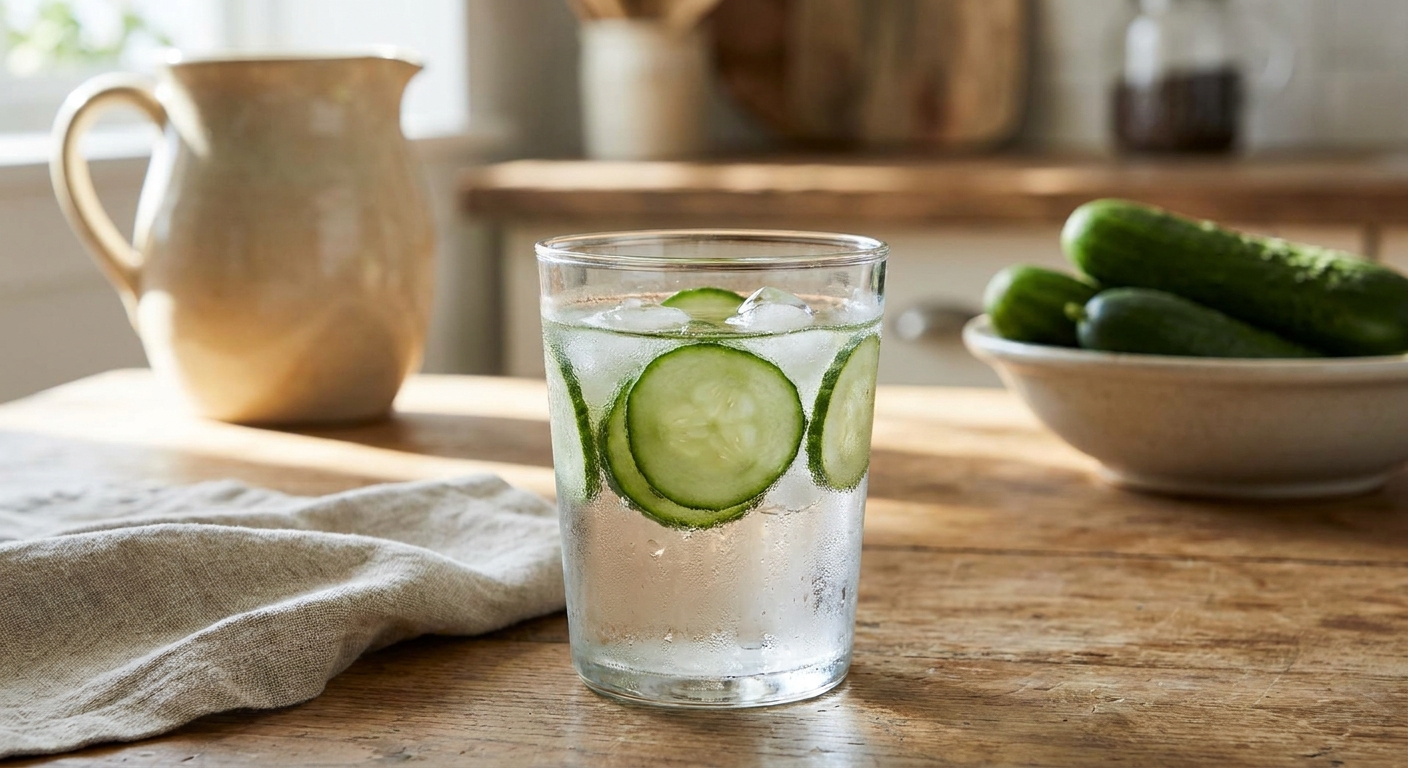
Staying hydrated is vital for a smooth recovery, as water helps flush out toxins and keeps your immune system functioning optimally. Safe options include:
- Cool or room-temperature water
- Clear juices, such as apple juice
- Milk or dairy alternatives
However, you must strictly avoid using a straw for at least the first few days. The suction created in your mouth when you drink through a straw generates negative pressure, which can forcefully dislodge the blood clot from the implant site. This not only delays healing but can lead to significant pain and infection. Always drink directly from a cup or glass.
Protecting Your Dental Implant: Next Steps for a Successful Recovery
Adhering to a strict soft food diet and avoiding harmful textures and temperatures are the most effective ways to protect your dental implant in the days immediately following surgery. By nourishing your body with lukewarm broths, soft proteins, and vitamin-rich smoothies, you provide the building blocks necessary for rapid tissue repair and successful osseointegration.
Continue to monitor your healing, gradually reintroducing solid foods only as your comfort level permits and as advised by your dental care team. If you have any questions about your recovery diet or experience unusual symptoms, contact our clinic immediately for personalized guidance.