


Feeling movement in a tooth replacement can be alarming, but knowing exactly what to do if your dental implant crown feels loose is the first step toward a simple, stress-free solution. In most cases, the underlying titanium implant remains securely fused to your jawbone, and the looseness is completely isolated to the visible crown or the small connecting screw beneath it.
Acting quickly and calmly will prevent further damage to the restoration and protect your surrounding gum tissue. By understanding the common warning signs and taking the correct immediate actions, you can keep your smile safe while waiting for professional care.
Signs Your Dental Implant Crown is Loose
Clicking or Popping Sounds
One of the earliest indicators of a compromised restoration is an audible clicking, popping, or tapping sound when you speak or chew. This noise occurs when the crown shifts slightly against the abutment or surrounding teeth, signaling that the connection is no longer entirely secure.
Noticeable Movement When Chewing
A properly placed implant should feel identical to a natural tooth. If you experience a slight wiggle, rotation, or shifting sensation when applying pressure during meals, the structural integrity of the crown has been compromised. Even microscopic movement is a sign that the restoration requires professional attention.
Gum Sensitivity or Soreness
When a crown shifts out of its precise alignment, it can pinch or rub against the surrounding gum tissue. This constant friction often leads to localized inflammation, tenderness, or redness around the base of the implant. Additionally, a loose crown can create small gaps where food particles and bacteria become trapped, further irritating the gums.
Changes in Your Bite Alignment
If your teeth suddenly feel like they are not coming together correctly, or if the implant crown feels “high” when you bite down, it may have lifted or rotated out of its original position. A misaligned bite can place uneven stress on your other teeth and jaw joints, making early intervention crucial.
Loose Crown vs. Loose Implant Post: Understanding the Difference
Identifying a Surface-Level Crown Issue
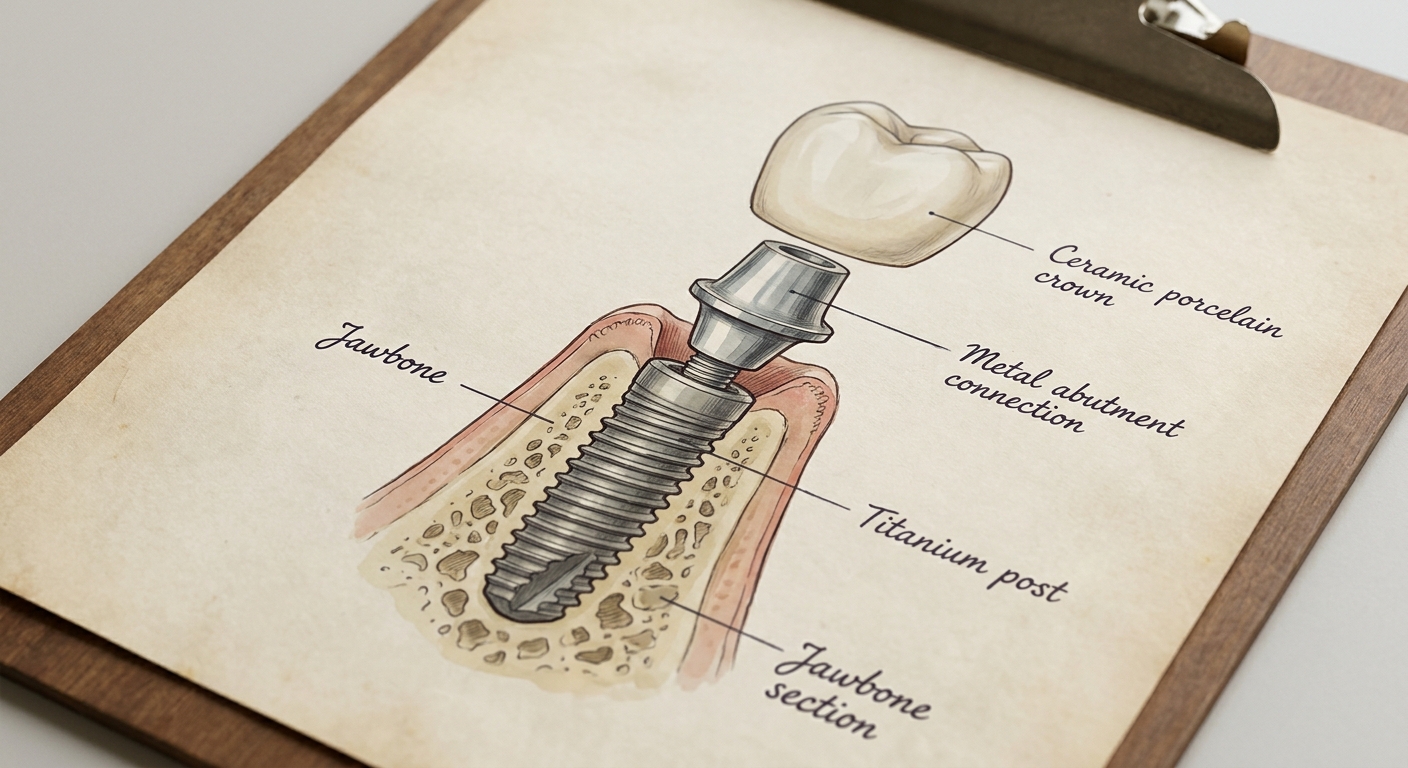
A dental implant consists of three parts: the titanium post, the abutment, and the crown. If only the visible white tooth (the crown) or the connector piece (the abutment) is moving, you are dealing with a surface-level issue. This is the most common scenario and is highly treatable, often requiring only a quick mechanical adjustment or reattachment.
Recognizing a Foundational Implant Post Problem
If the entire structure, including the titanium post beneath the gum line, is shifting, this indicates a foundational problem. A wobbly implant post suggests a loss of osseointegration—meaning the jawbone is no longer securely holding the titanium root. This is a more serious condition often caused by bone loss or infection, requiring comprehensive clinical intervention.
Common Causes Behind a Loose Implant Crown
Abutment Screw Loosening Over Time
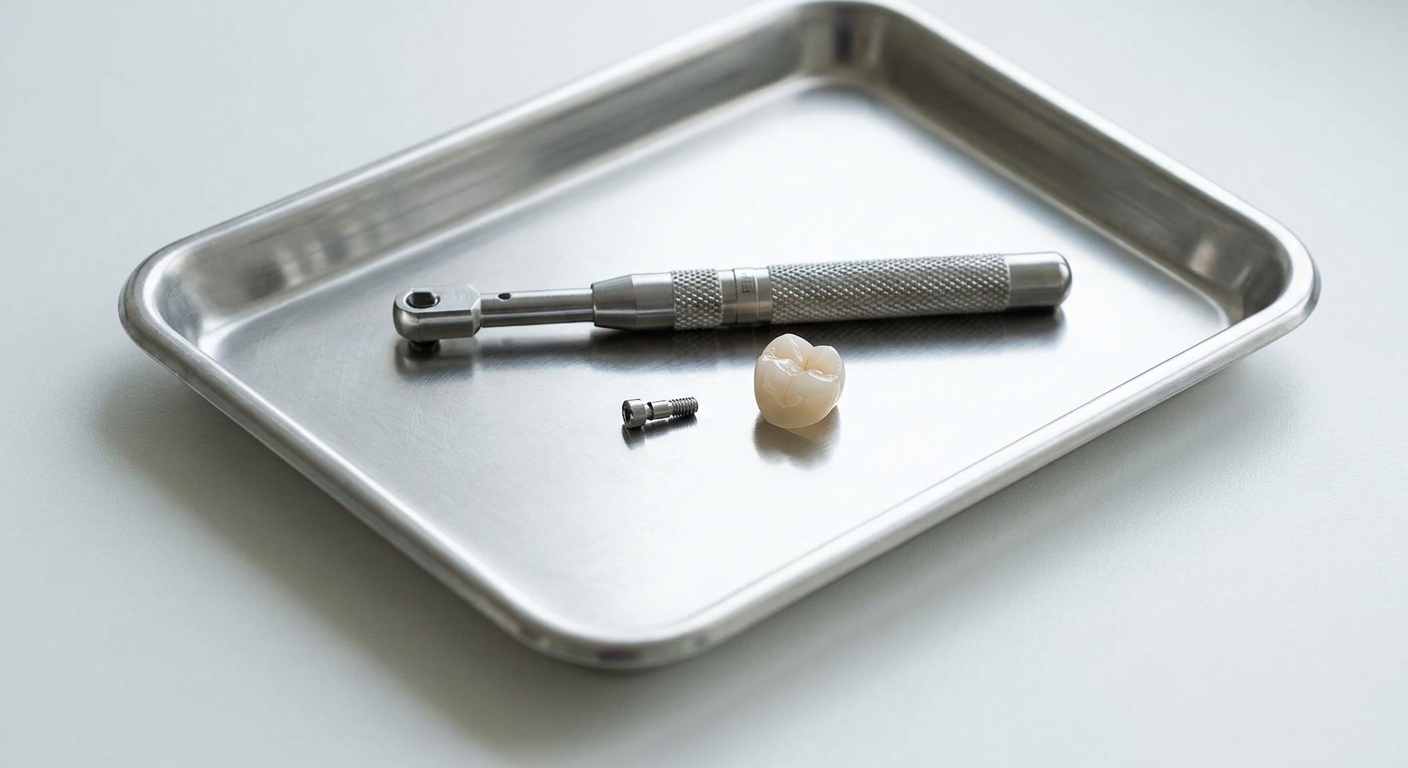
For screw-retained crowns, the tiny abutment screw holding the restoration together can slowly back out over time. The constant, daily mechanical forces of chewing and speaking can cause this screw to lose its optimal torque, resulting in a wobbly crown.
Dental Cement Failure
If your crown is cement-retained, the specialized dental adhesive used to bond the crown to the abutment can eventually degrade. Factors such as heavy bite forces, acidic environments in the mouth, or subtle micro-movements can cause the cement seal to wash out or break down.
Teeth Grinding and Clenching (Bruxism)
Chronic teeth grinding places immense, unnatural pressure on dental implants. Because implants lack the shock-absorbing periodontal ligament found in natural teeth, the excessive occlusal forces from bruxism are transferred directly to the crown and abutment, frequently leading to premature loosening.
Physical Trauma or Impact
A sudden blow to the face during sports, an accidental fall, or unexpectedly biting down on a hard object like an olive pit or unpopped popcorn kernel can generate enough immediate force to dislodge the crown, strip the abutment screw, or break the cement seal.
Is a Loose Dental Implant Crown a Dental Emergency?
When to Seek Immediate Same-Day Care
You should seek prompt, same-day attention if the loose crown is accompanied by severe pain, significant swelling, bleeding, or if the titanium post itself feels mobile. Additionally, if the crown is completely detached and leaving a sharp metal abutment exposed that is cutting your tongue or cheek, immediate care is necessary to prevent infection and soft tissue injury.
When It Is Safe to Wait a Few Days
If the crown is only slightly wobbly but remains attached, causes no pain, and the surrounding gums look healthy, it is generally safe to wait a day or two for a scheduled appointment. Similarly, if the crown falls out completely intact without any accompanying pain or bleeding, you can safely store it and visit the clinic within a few days.
Immediate Steps to Take When Your Implant Crown Feels Loose
Avoid Chewing on the Affected Side
Until a professional can evaluate the restoration, redirect all chewing to the opposite side of your mouth. Stick to a soft food diet to prevent placing any additional stress on the compromised crown, which could strip the internal screw or crack the porcelain.
Rinse Gently with Warm Salt Water
Keep the area clean by gently rinsing your mouth with a warm salt water solution after meals. This helps flush away food debris and bacteria from any gaps created by the loose crown, reducing the risk of localized gum inflammation without using harsh mouthwashes.
Secure and Save Any Detached Pieces
If the crown comes off completely, carefully retrieve it and place it in a clean, secure container to bring to your appointment. Never attempt to reattach the crown yourself using household adhesives or over-the-counter glues. These substances are toxic, can permanently damage the abutment, and will prevent a dentist from properly reseating the crown.
Contact Your Dental Professional
Call your dental office immediately to report the issue. Describe your symptoms clearly, noting whether you feel pain or if the entire post feels mobile, so the scheduling team can accurately triage your situation and get you in for an evaluation.
How a Dentist Will Repair Your Loose Implant Crown
When evaluating a compromised restoration, our team draws on over 40 years of clinical experience and a track record of treating more than 150,000 patients to ensure your underlying implant remains perfectly secure. We utilize advanced diagnostic tools to precisely determine the point of failure and provide a permanent, comfortable solution.
Re-torquing the Abutment Screw
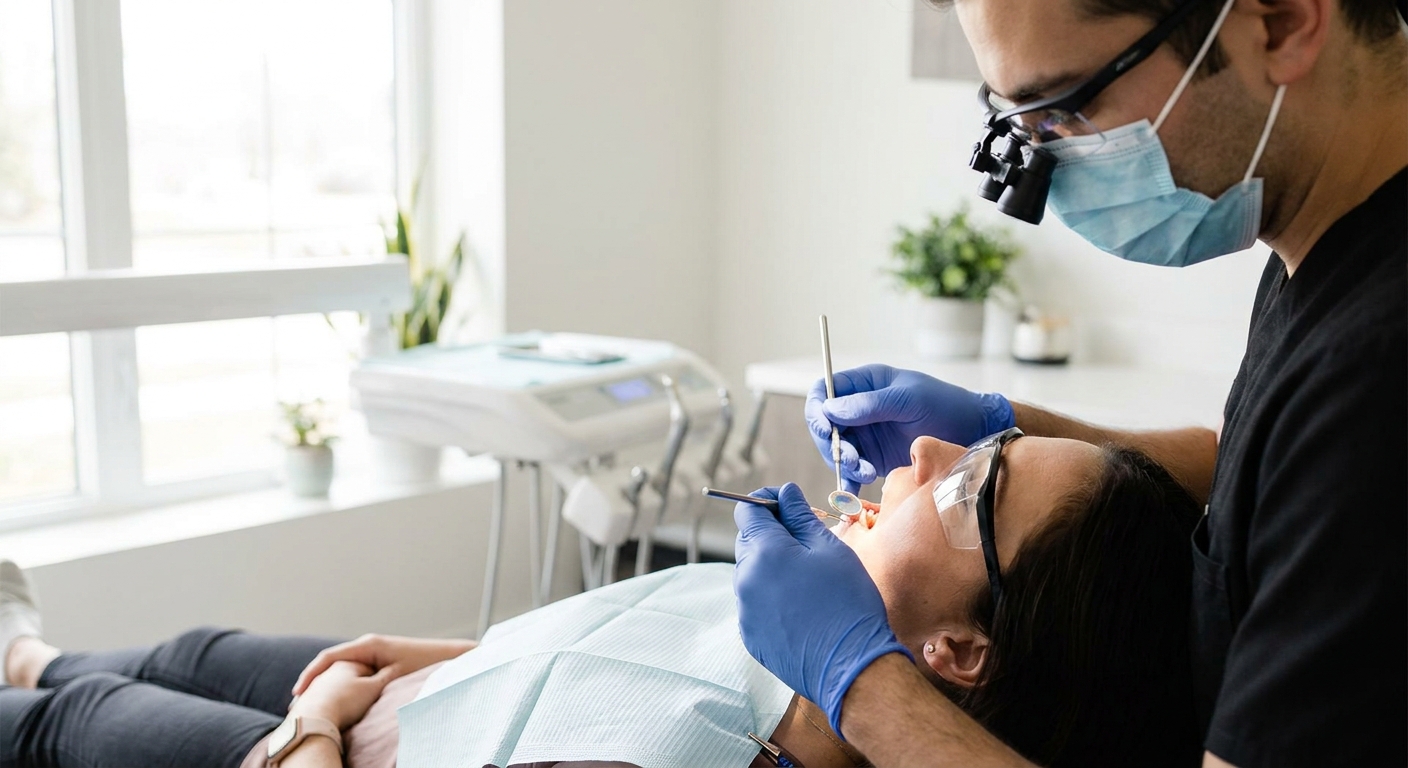
If the looseness is caused by a backed-out screw, the repair is straightforward. The dentist will carefully access the screw hole, inspect the internal threads for damage, and use a calibrated dental torque wrench to tighten the screw back to the manufacturer’s exact specifications before sealing the access hole with a tooth-colored composite.
Re-cementing the Existing Crown
For a cement-retained crown that has come loose but remains undamaged, the dentist will thoroughly clean both the interior of the crown and the exterior of the abutment. Once all old cement and bacteria are removed, the crown is carefully re-bonded using a fresh layer of high-strength dental cement.
Fabricating a Replacement Crown
If the existing crown has sustained significant structural damage, such as a deep crack or fractured porcelain, a new restoration will need to be fabricated. Your dentist will take precise digital impressions to craft a replacement crown that perfectly matches your natural teeth and bite alignment.
Tips to Prevent Your Dental Implant Crown from Loosening Again
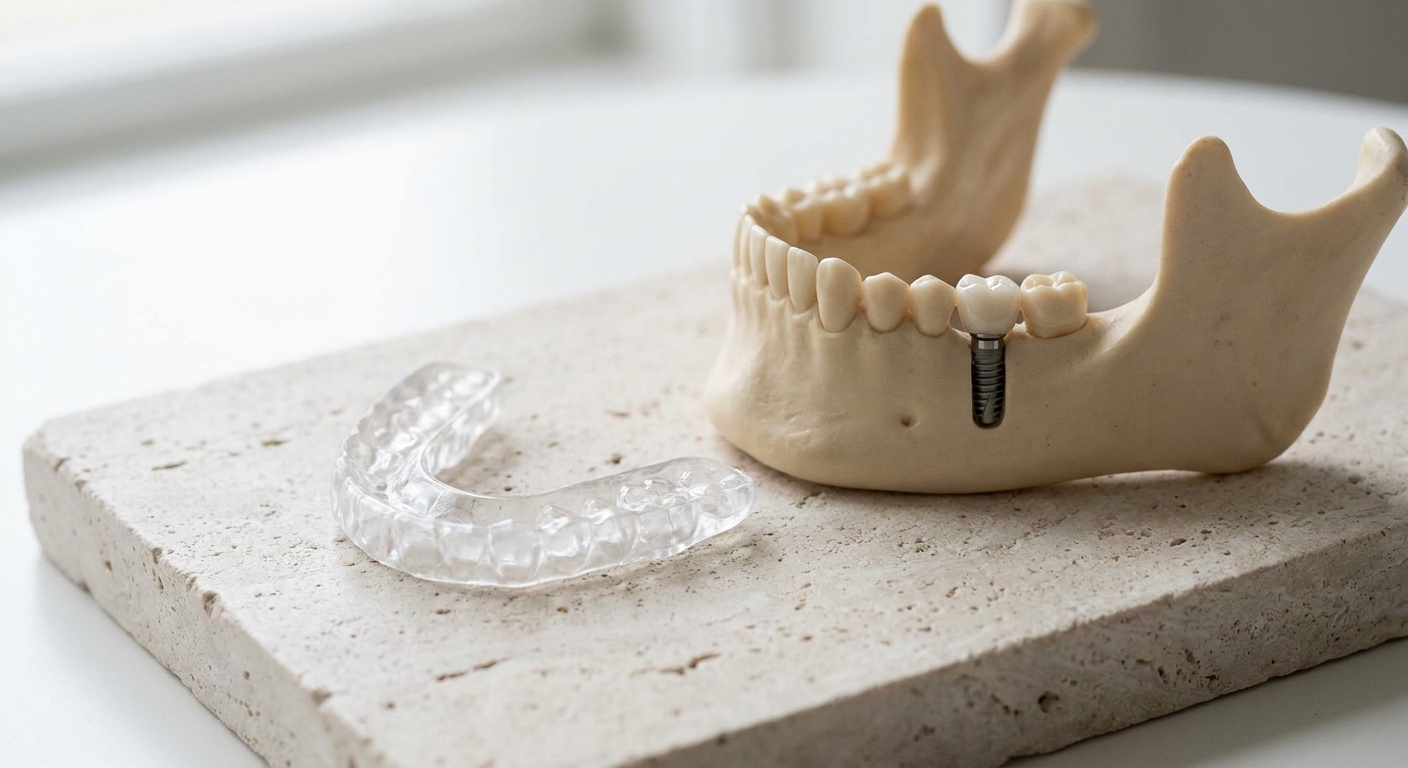
Wearing a Custom Nightguard
If you are prone to clenching or grinding your teeth while you sleep, a custom-fitted nightguard is essential. This appliance acts as a protective barrier, evenly distributing bite forces across your jaw and preventing concentrated stress from loosening your implant components.
Avoiding Excessively Hard or Sticky Foods
Protect your dental work by avoiding habits that put undue stress on your teeth. Refrain from chewing on ice cubes, hard candies, or pen caps, and avoid using your teeth as tools to open packages. Sticky foods like caramels can also create a suction effect that pulls on cemented crowns.
Keeping Up with Routine Dental Cleanings and Exams
Biannual dental visits allow your dentist to monitor the health of your implants. During these exams, we check the stability of the crown, assess your bite alignment, and perform professional cleanings to prevent peri-implantitis—an inflammatory condition that can threaten the stability of the entire implant structure.
Protecting Your Smile: Next Steps
A loose implant crown is a highly treatable issue, but it requires timely professional attention to prevent further complications. By acting quickly, avoiding chewing on the affected side, and keeping the area clean, you can protect your oral health. If you are experiencing any movement, clicking, or discomfort with your restoration, contact us today to schedule a comprehensive evaluation and secure your smile.