


A smile that shows too much gum can make teeth look short, disrupt facial harmony, and hold you back from laughing openly. The good news is that a smile makeover can correct a “gummy” smile and balance your gum line—often with far less downtime than people expect. The right solution depends on the underlying cause, and we always start by identifying why your gums appear prominent before recommending any treatment.
In this guide, we break down the most common causes of excessive gingival display, explain how we analyze your smile, and walk through non-surgical and surgical options. You will also learn how complementary treatments like veneers or whitening can refine the final result, and what to expect during recovery.
What Is a Gummy Smile?
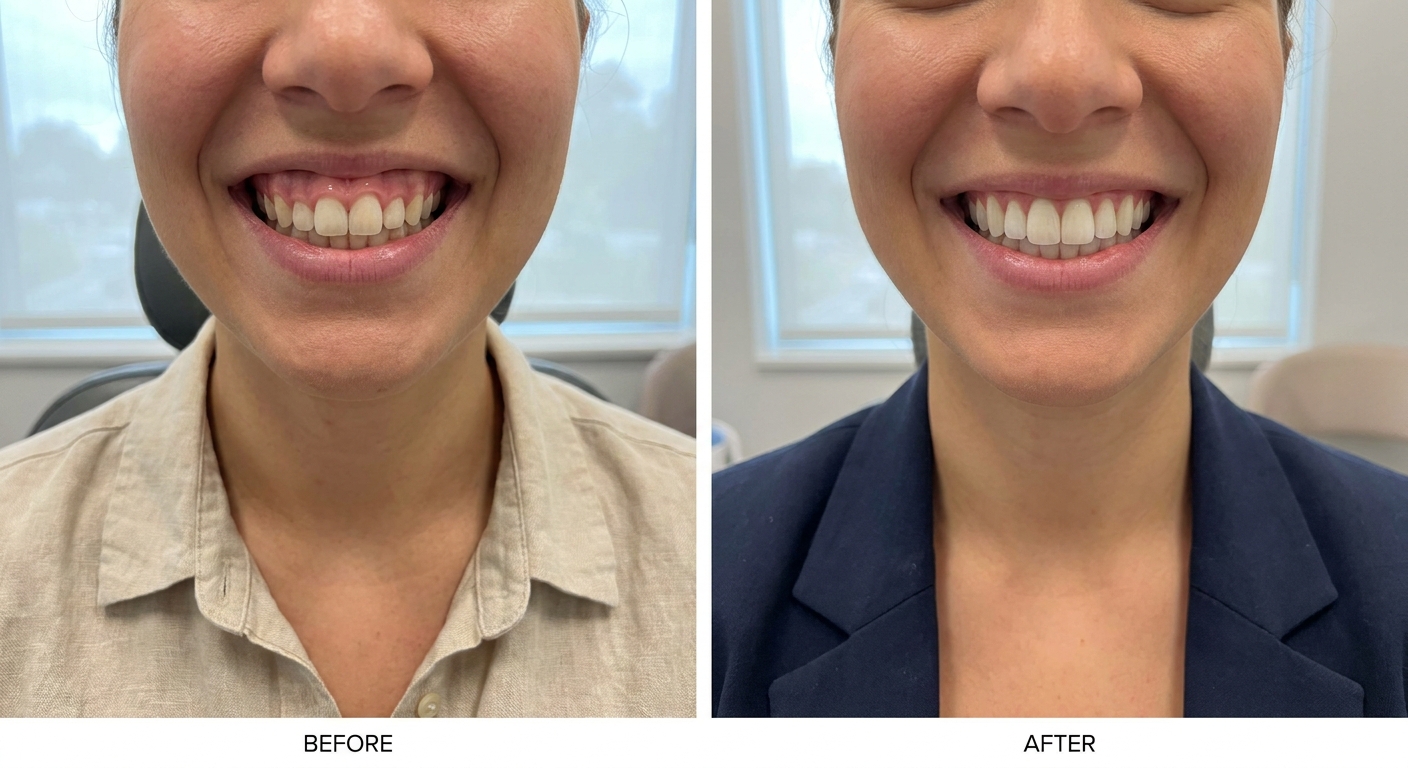
A gummy smile, clinically called excessive gingival display, occurs when more than three to four millimeters of gum tissue shows above the upper front teeth when you smile. While there is no medical risk, the aesthetic impact is real: teeth may appear shorter, the smile can look uneven, and many people become self-conscious in photos or social settings.
Dental professionals often use a simple visual threshold: if you see more gum than tooth length in your upper front teeth, it may be considered gummy. However, personal perception matters—what feels excessive to one person may look normal to another. That is why we never treat based on a number alone; we evaluate your facial proportions and your own goals.

Common Causes of a Gummy Smile
A gummy smile rarely has a single cause. Most cases involve a combination of dental, skeletal, and muscular factors. Understanding the root cause is the first step to choosing a treatment that will actually last.
Excessive Gum Tissue
Some people simply have more gum tissue covering the teeth—a condition called gingival hypertrophy. The teeth themselves may be normal length, but the gums drape over them, making the crowns look short. This overgrowth can be genetic, or it may be influenced by medications, hormonal changes, or chronic mouth breathing. In these cases, reshaping the gum line often reveals the natural tooth structure underneath.
Hyperactive Upper Lip
When the muscle that lifts the upper lip is overactive, it raises the lip higher than typical during a smile, exposing more gum. This is one of the most common causes of a gummy smile in younger adults. The fix is often as simple as relaxing the lip muscle rather than altering the gums or teeth.
Abnormal Tooth Eruption
Teeth sometimes fail to emerge fully from the gum, a condition called altered passive eruption. When teeth do not erupt completely, the gums remain positioned lower on the crown, making the teeth look short and the gum line uneven. Correcting this often requires both gum recontouring and, in some cases, orthodontic movement to bring the teeth into their ideal position.
Vertical Maxillary Excess
In a smaller number of cases, the upper jaw itself grows too far downward, creating a long facial appearance and excessive gum display even with a relaxed lip. This skeletal condition cannot be corrected by gum adjustment alone; it typically requires orthognathic surgery to reposition the upper jaw.
Smile Analysis and Treatment Planning
Before we recommend any procedure, we take time to understand your smile as a whole. Rushing into gum reduction without evaluating lip movement, tooth proportions, and jaw structure can lead to an unbalanced result.
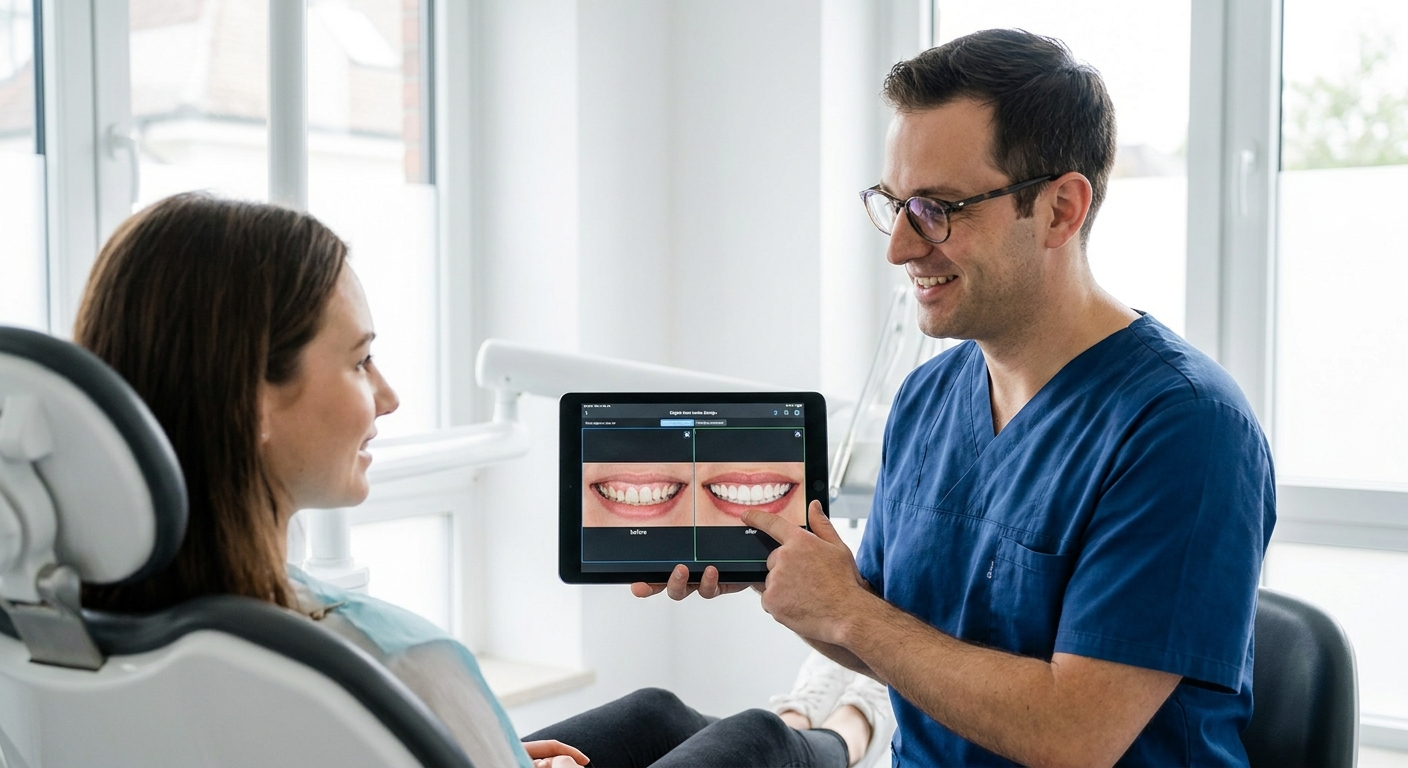
Digital Smile Design
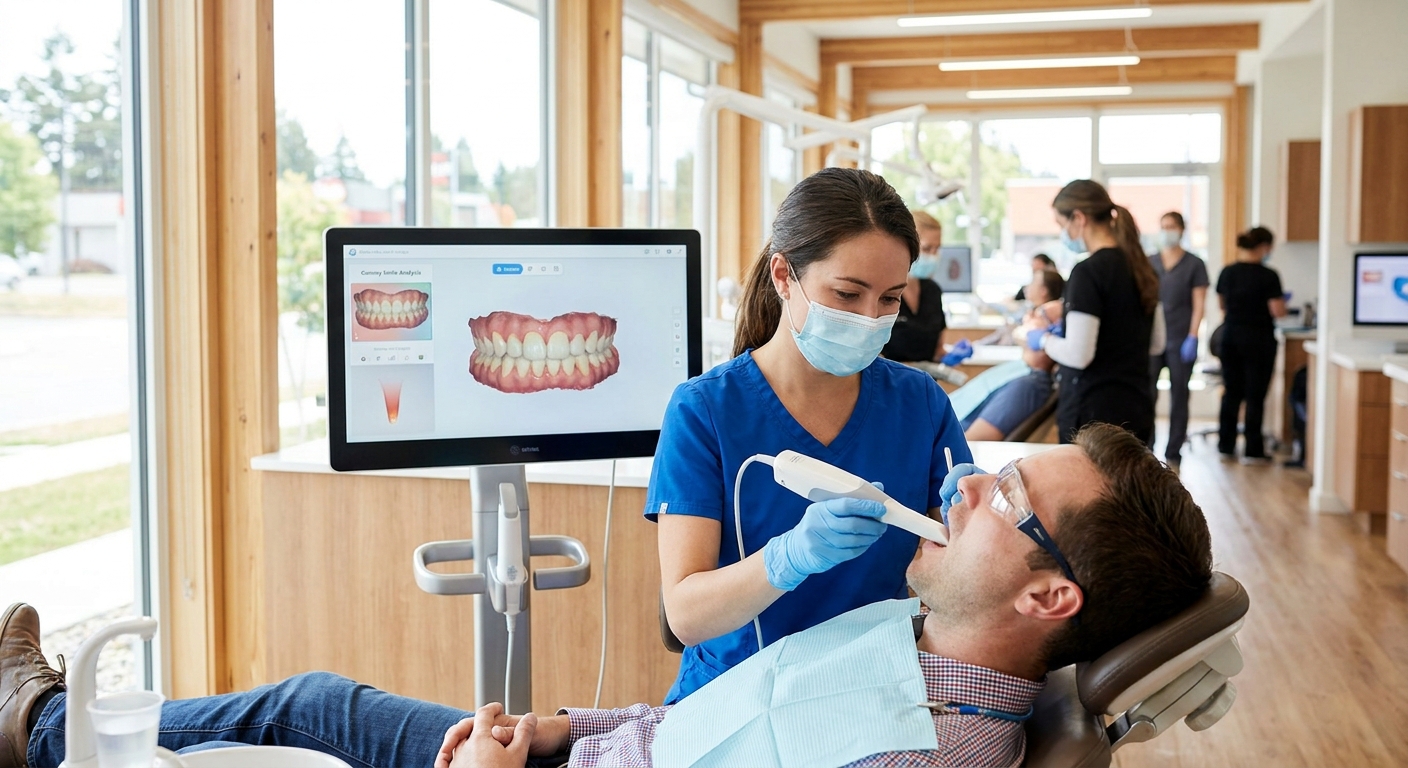
Digital smile design uses photographs and software to simulate how your smile will look after treatment. We measure your gum display at rest and during a full smile, assess tooth length and width ratios, and create a visual preview. This allows you to see the projected outcome before committing to surgery or injections. We maintain a 100% treatment success rate for gum contouring because we never move forward until the digital preview matches your goals.
Comprehensive Oral Evaluation
A thorough exam includes checking for gum disease, bone levels, bite alignment, and the health of the teeth themselves. We may take X-rays or 3D scans to rule out underlying issues. This step is critical because a gummy smile can sometimes mask other problems, such as short tooth roots or excessive wear.
Non-Surgical Solutions for a Gummy Smile
If your gummy smile is caused by a hyperactive upper lip, non-surgical treatments can be highly effective. They are quick, require no downtime, and can be reversed or adjusted over time.
Botox Injections
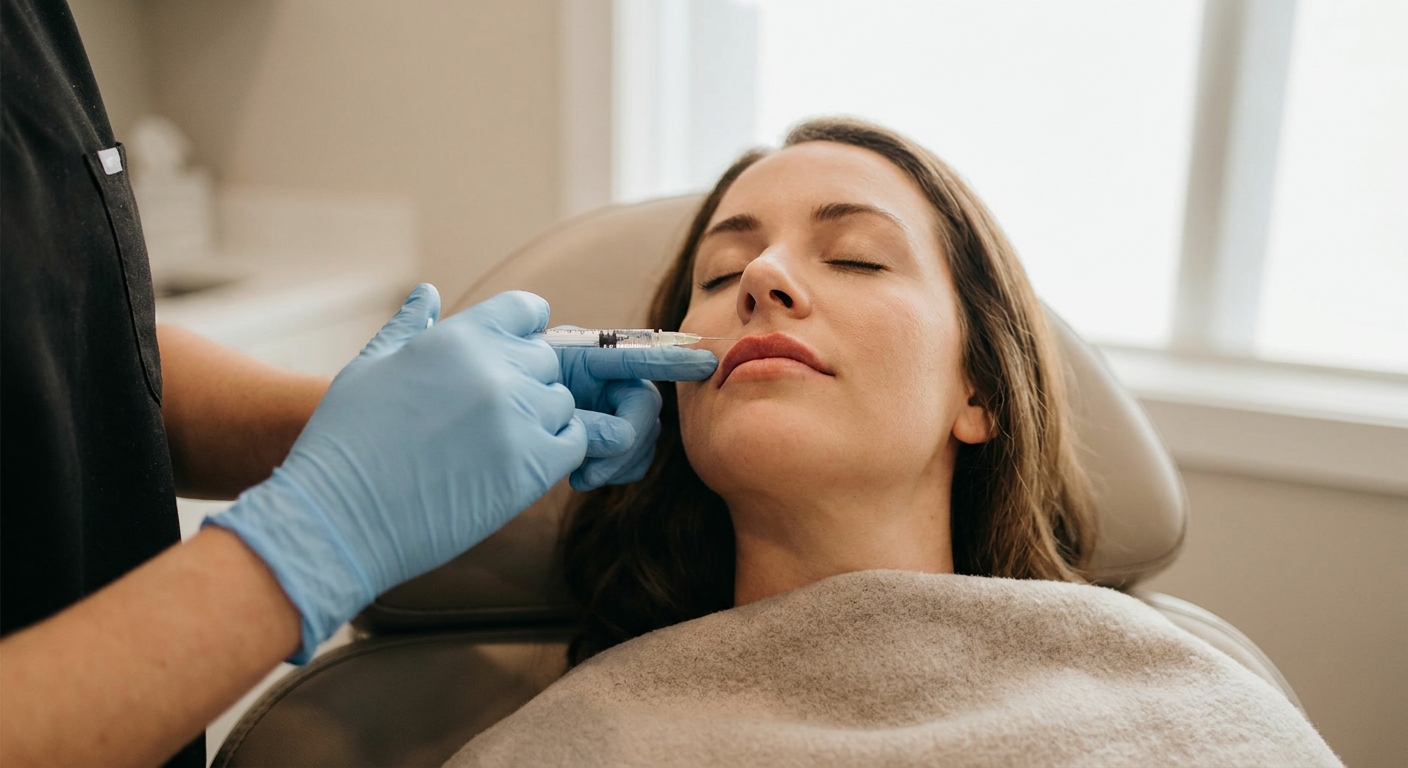
Botox works by relaxing the muscles that lift the upper lip. We inject a small amount into specific points between the nose and upper lip. Over the next few days, the lip rises less when you smile, revealing less gum. Results appear within about a week and last three to six months. This is a popular option for patients who want a subtle change without surgery.
Dermal Fillers
For some patients, adding volume to the upper lip can reduce gum display by changing how the lip rolls outward when smiling. Fillers create a fuller lip that covers more of the gum line. This approach is best when the gumminess is mild and the lip is thin. Effects last six to twelve months, depending on the product used.
Surgical Procedures to Correct a Gummy Smile
When the cause lies in excess gum tissue, bone, or jaw position, surgical correction provides a permanent solution. These procedures are more involved than injections but are performed routinely and with predictable results.
Gum Contouring (Gingivectomy)
Gum contouring removes excess gum tissue to expose more tooth surface. We use a soft-tissue laser or a scalpel to reshape the gum line. The laser seals blood vessels as it works, which means less bleeding, less swelling, and a faster recovery than traditional methods. This is ideal for patients whose teeth are normal length but hidden by overgrown gums.
Crown Lengthening
Crown lengthening goes a step further by adjusting both gum tissue and the underlying bone. We create a small flap in the gum, reshape the bone to a lower level, then suture the gum back into its new position. This reveals more of the clinical crown and is often combined with veneers or crowns for a completely redesigned smile. Recovery takes about one to two weeks.
Lip Repositioning Surgery
For a hyperactive upper lip that does not respond to Botox or when a permanent fix is preferred, lip repositioning restricts how high the lip can rise. We remove a thin strip of tissue inside the upper lip and suture the remaining edges together, effectively lowering the lip’s resting position. The procedure takes under an hour, and results are immediate—though some tightness and swelling may last a few weeks.
Orthognathic Surgery
In cases of vertical maxillary excess, the upper jaw is surgically repositioned to reduce gum display and improve facial balance. This is a significant procedure performed in a hospital or surgical center, often in coordination with an orthodontist. Recovery takes several weeks, but the change can be dramatic for both smile aesthetics and bite function.
Complementary Treatments to Enhance Your Smile Makeover
Gum line correction is often just one part of a complete smile makeover. After balancing the gum line, we may recommend additional cosmetic treatments to perfect tooth shape, color, and alignment.
Veneers
Porcelain veneers are thin shells bonded to the front of teeth. They can correct size discrepancies, close small gaps, and mask discoloration. When combined with gum contouring, veneers help create ideal tooth proportions—typically a width-to-length ratio of about 75 to 85 percent—so the final smile looks natural and balanced.
Tooth Contouring
Tooth contouring involves gentle reshaping of enamel to smooth rough edges, round off pointed tips, or correct minor asymmetry. It is a conservative option that can make a noticeable difference when paired with gum reshaping, especially for front teeth that appear too square or uneven.
Teeth Whitening
After gum procedures, the newly exposed tooth surfaces may be slightly lighter or darker than the rest of the tooth. Professional whitening evens out the shade and enhances the overall brightness of the smile. We often recommend whitening after gum healing to ensure consistent results.
Recovery and Aftercare for Gum Line Procedures
Healing times vary depending on the procedure, but most patients return to normal activities within a few days. Proper aftercare protects the results and reduces the risk of complications.
Immediate Post-Procedure Care
For surgical gum procedures, expect some mild swelling and tenderness for the first 48 hours. We recommend a soft-food diet, avoiding hot liquids, and rinsing gently with salt water as directed. Over-the-counter pain relievers are usually sufficient. Do not brush the treated area directly until we clear you to do so.
Long-Term Maintenance
Once healed, maintain excellent oral hygiene with twice-daily brushing and daily flossing. Regular dental checkups allow us to monitor the gum line and catch any signs of recession or regrowth early. If you had Botox or fillers, touch-up appointments every few months will keep the look consistent.
Benefits of Balancing Your Gum Line
Correcting a gummy smile does more than change your appearance—it can reshape how you feel about your smile every day.
Enhanced Aesthetics
A balanced gum line makes teeth look longer, more symmetrical, and in proportion with your lips and face. The smile appears cleaner and more youthful, free from the distraction of excess pink tissue.
Improved Confidence
When you no longer worry about showing too much gum, you smile more openly in photos, at work, and in social settings. Many patients tell us they wish they had made the change years earlier.
Better Oral Health
Reshaping overgrown gums can make it easier to clean between teeth and along the gum line, reducing plaque buildup and lowering the risk of gum inflammation. Crown lengthening also removes redundant tissue that can trap bacteria.
Choosing a Qualified Cosmetic Dentist for Your Smile Makeover
Not all gummy smile treatments are created equal. The skill of the clinician directly affects how natural the result looks and how smoothly you heal. Here is what to look for.
Credentials and Experience
Look for a dentist with advanced training in cosmetic and surgical procedures, particularly in gum contouring and crown lengthening. Membership in organizations such as the American Academy of Implant Dentistry or equivalent bodies signals a commitment to continuing education. Ask how many cases they have completed and whether they use digital smile design.
Patient Reviews
Read reviews that mention gum procedures specifically, not just general dentistry. Pay attention to comments about communication, comfort, and whether the final result matched the preview. A pattern of satisfied patients who mention attentive aftercare is a strong indicator.
Technology and Safety
Modern lasers, 3D imaging, and digital smile design tools reduce pain, shorten recovery, and improve precision. Ask whether the practice uses a soft-tissue laser for gum contouring and whether they document cases with photography. Safety protocols, including sterilized instruments and a clear post-op plan, should be non-negotiable.
Start Your Journey to a Balanced Smile
Correcting a gummy smile is one of the most rewarding changes you can make, and the first step is an honest conversation about your goals. If you are ready to see what a balanced gum line could look like for you, schedule a consultation today. We will walk through the causes, show you a digital preview, and recommend the least invasive option that meets your needs.