


Oral cancer, a malignancy that originates in the tissues of the mouth or throat, poses a significant health threat worldwide. This type of cancer can manifest in various areas, including the lips, tongue, gums, palate, and salivary glands. Characterized by the abnormal growth of cells, oral cancer can present as persistent sores, lumps, or changes in the oral mucosa that do not heal or resolve. Given its potential to progress rapidly and affect critical functions such as swallowing and speech, early detection is paramount in improving treatment outcomes and patient prognosis. This underscores the crucial role of oral cancer screening in preventive healthcare. Understanding the importance of screening and its procedural aspects can empower individuals and healthcare professionals in the fight against this debilitating disease. To feel confident at your appointment, it helps to come prepared—here are 7 questions to ask before agreeing to any dental procedure.
Importance of Oral Cancer Screening
Oral cancer screening serves as a vital component of preventive healthcare, aiming to detect abnormalities in the mouth and throat before they progress into advanced stages of cancer. Early detection significantly improves treatment outcomes and enhances the chances of successful recovery. Prevention also happens at home, and choosing the right toothbrush and toothpaste helps keep your mouth healthier between dental visits.
Early intervention through screening enables healthcare providers to identify suspicious lesions or growths in the oral cavity, allowing for prompt diagnosis and timely initiation of treatment. This proactive approach not only improves survival rates but also minimizes the need for extensive and invasive procedures.
Furthermore, oral cancer screening plays a pivotal role in raising awareness about the risk factors associated with oral cancer, such as tobacco use, excessive alcohol consumption, HPV infection, and sun exposure. By educating individuals about these risk factors and promoting healthy lifestyle choices, screening programs contribute to reducing the overall incidence of oral cancer within communities. One simple step is staying consistent with tools you use daily—replacing your toothbrush regularly helps brushing stay effective.
The Procedure of Oral Cancer Screening

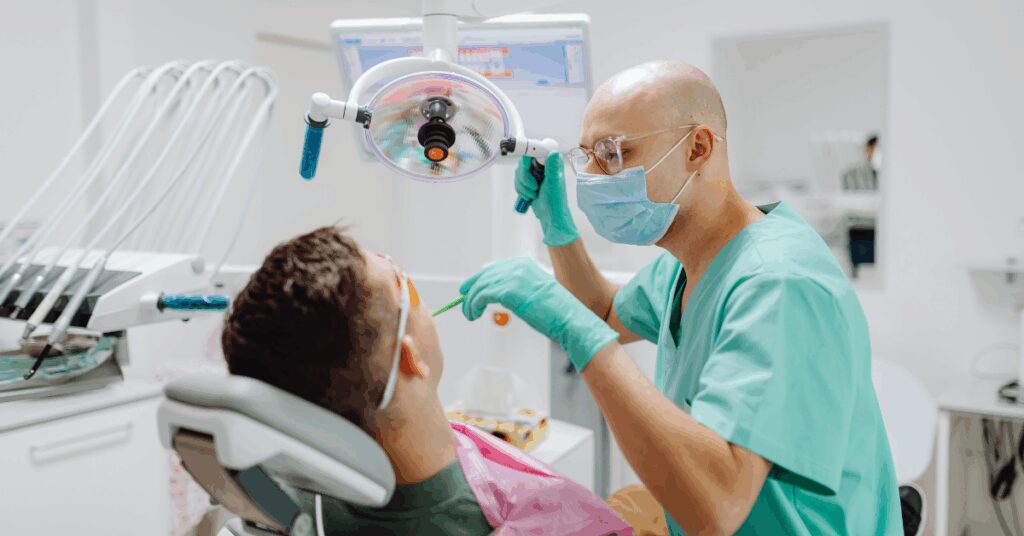
Oral cancer screening typically involves a comprehensive examination of the mouth, performed by a dentist or healthcare provider during a routine dental check-up. The procedure is quick, non-invasive, and painless, making it accessible to individuals of all ages. If nerves are keeping you from booking an exam, dental anxiety is common—and there are simple ways to feel more comfortable before your screening.
During the screening, the dentist will visually inspect the oral cavity, including the lips, gums, tongue, the roof and floor of the mouth, and the inside of the cheeks, for any signs of abnormalities. This examination may also include palpation, which involves the dentist using their fingers to gently press and feel the tissues in the mouth and throat to detect any unusual lumps or changes in texture. If you’ve noticed ongoing mouth odor, it’s worth mentioning it at your appointment—these tips for fresh breath can also point to habits that improve overall oral health.
In some cases, additional tools such as special lights or dyes may be used to enhance the detection of abnormal cells or lesions. These adjunctive techniques can help healthcare providers identify suspicious areas that may require further evaluation.
It’s important to note that while oral cancer screening is a valuable tool for early detection, it is not a definitive diagnostic test. If any suspicious lesions or abnormalities are identified during the screening, the dentist may recommend further diagnostic tests, such as a biopsy, to confirm the presence of cancer.
Frequency of Oral Cancer Screening

The frequency of oral cancer screening may vary depending on individual risk factors and medical history. In general, it is recommended for adults to undergo an oral cancer screening at least once a year during routine dental check-ups.
However, individuals with a family history of oral cancer, tobacco users, heavy alcohol consumers, and those with other significant risk factors may require more frequent screenings. It’s essential to consult with a dentist or healthcare provider to determine the appropriate screening schedule based on individual needs.
Conclusion

Oral cancer screening is a critical aspect of preventive healthcare, offering early detection and intervention opportunities that can ultimately save lives. Regular dental check-ups at Smile Dental Implant Center, coupled with routine oral cancer screening, play a pivotal role in promoting early detection, successful treatment outcomes, and overall well-being. Emphasizing the significance of screening within communities can help raise awareness about oral cancer and empower individuals to prioritize their oral health.
Don’t wait for symptoms to get worse—early detection can make all the difference. If it’s been a while since your last dental visit, book an appointment with Smile Dental Implant Center today for a comfortable check-up and oral cancer screening. Our team will carefully examine your mouth, answer your questions, and guide you on the next steps if anything looks unusual. Schedule your visit now with a trusted White Rock dentist and take a simple step toward protecting your long-term health.