


Smoking and vaping are two of the most common habits that can undermine dental implant success, but they do not automatically disqualify you. The key is understanding how nicotine and other chemicals affect the healing process and what you can do to reduce risk.
If you are asking whether you can get dental implants if you smoke or vape, the answer is yes in many cases, but success depends heavily on timing, cessation, and follow-up care. This guide explains the biological risks, realistic timelines, and practical steps to improve your outcome.
Understanding Dental Implants
What Are Dental Implants?
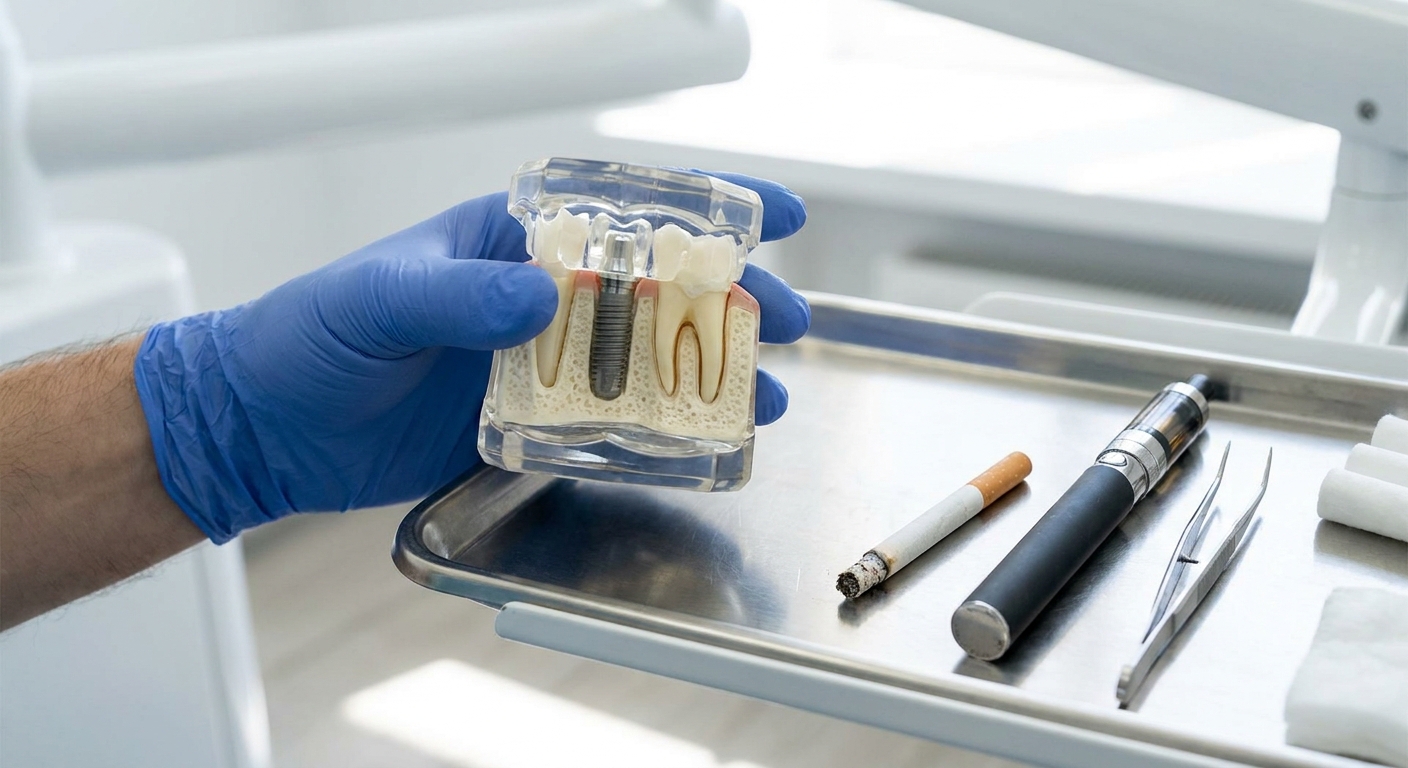
Dental implants are titanium posts surgically placed into the jawbone to replace missing tooth roots. They support crowns, bridges, or dentures. Unlike removable prosthetics, implants become a permanent part of your mouth after the bone fuses to the titanium surface.
The Importance of Osseointegration
Osseointegration is the biological process where living bone grows directly onto the implant surface, creating a stable anchor. This process takes several months and requires a healthy, well-vascularized environment. Anything that impairs blood flow or bone cell activity can delay or prevent full integration.
Can You Get Dental Implants if You Smoke or Vape?
Yes, many smokers and vapers can receive dental implants, but candidacy depends on your overall oral health, bone density, and willingness to reduce or stop tobacco use around the surgical period. Smoking does not automatically rule you out, but it does significantly raise the risk of complications and implant failure.
We assess each patient individually. If you smoke heavily or have pre-existing gum disease, we may recommend a longer healing period, additional pre-surgical treatment, or a temporary pause in tobacco use before we proceed.
How Smoking Affects Dental Implant Healing
Reduced Blood Flow and Oxygen
Nicotine constricts blood vessels, reducing the flow of oxygen and nutrients to the surgical site. Implant healing depends on this blood supply to form a blood clot, fight infection, and build new tissue. Without adequate circulation, the wound heals more slowly.
Impaired Immune Response
Smoking suppresses the immune system’s ability to fight bacteria. After implant surgery, the mouth is vulnerable to infection, and a weakened immune response allows bacteria to thrive around the implant, increasing the chance of early failure.
Nicotine’s Effect on Bone Healing
Nicotine directly inhibits osteoblast function—the cells responsible for forming new bone. Since osseointegration requires active bone growth around the implant, nicotine slows this process and can produce a weaker bond between the implant and jawbone.
Risks and Complications for Smokers and Vapers
Increased Infection Risk
Smokers have a higher rate of post-surgical infection at the implant site. The combination of reduced blood flow and impaired immunity creates an environment where bacteria can multiply and cause peri-implant inflammation.
Peri-Implantitis
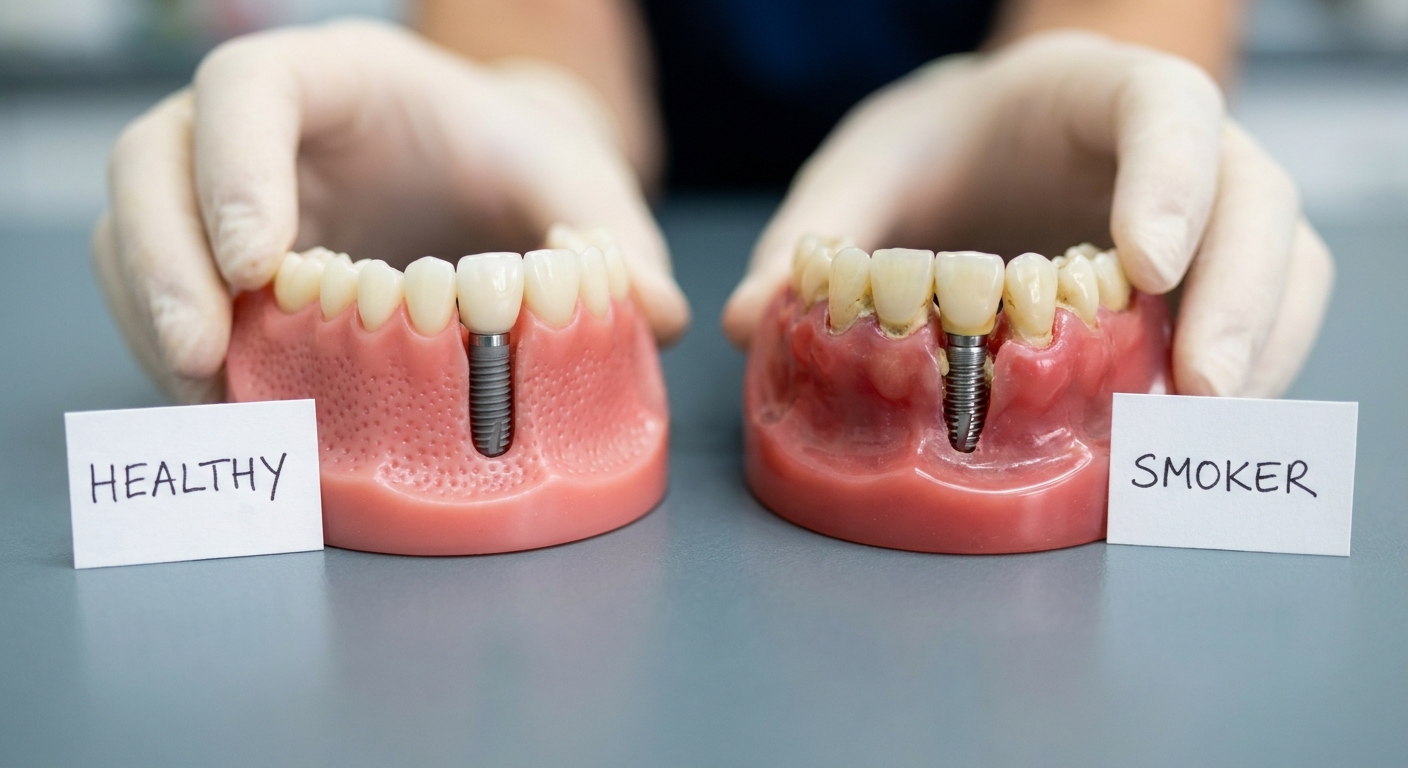
Peri-implantitis is a destructive inflammatory condition that affects the gums and bone around an implant. Smoking is a leading risk factor because it encourages plaque accumulation and compromises the tissue’s ability to heal after infection.
Delayed Wound Healing
Even minor soft tissue wounds take longer to close in smokers. After implant placement, the gum tissue must seal around the abutment quickly; delayed healing prolongs the period of exposure to bacteria.
Implant Failure
Implant failure occurs when the implant fails to integrate with bone or becomes loose after initial integration. Smokers face a substantially higher chance of both early and late implant failure compared to non-smokers.
Dental Implant Failure Rates: Smokers vs. Non-Smokers
Clinical studies show a stark difference in implant survival. In one five-year study following 66 patients with 165 implants, smokers experienced a failure rate of 15.8%, while non-smokers had a failure rate of just 1.4%. Other research places smoker failure rates between 11% and 20%, compared to 3% to 8% for non-smokers. Heavy smokers who consume more than a pack per day tend to be at the higher end of this range.
These numbers highlight why smoking cessation, even temporarily, is one of the most effective ways to improve your implant’s chance of lasting success.
Vaping and Dental Implants: Is It Safer?
Nicotine and Other Chemicals in Vape
Vape aerosol is not harmless water vapor. It contains nicotine, propylene glycol, vegetable glycerin, and various flavoring chemicals. Nicotine is the primary concern for implant healing because it constricts blood vessels and impairs bone cell function. Some vape liquids also contain formaldehyde and heavy metals, which can irritate soft tissue.
Effects on Healing Similar to Smoking
Because most vape products still deliver nicotine, vaping has a nearly identical effect on implant healing as smoking. The reduced blood flow and suppressed immune response occur regardless of whether nicotine comes from a cigarette, vape, or other tobacco product. Switching from smoking to vaping does not eliminate the risk.
How Long to Quit Smoking Before Dental Implant Surgery
Recommended Timeline
Ideally, we recommend quitting or at least pausing all nicotine use at least two weeks before implant surgery. Longer cessation—one month or more—provides even greater benefit by allowing blood flow and immune function to begin recovering before the surgical trauma occurs.
Why Quitting Early Matters
Quitting early gives your body time to clear carbon monoxide from the blood, improve oxygen delivery, and reduce inflammation in the gums. It also lowers the bacterial load in the mouth, reducing infection risk. We draw on 40+ years of combined experience to help patients set realistic cessation goals before implant placement.

How Long to Wait After Dental Implant Surgery Before Smoking
The Critical Healing Period
The first 72 hours after surgery are the most fragile because a blood clot must form and stabilize over the implant site. We strongly advise complete abstinence from smoking during this window. After that, the osseointegration phase lasts two to three months, and smoking during this period can still disrupt bone fusion.
Consequences of Smoking Too Soon
Smoking within the first few days can dislodge the blood clot, cause a dry socket-like condition, and introduce heat and chemicals directly to the healing tissue. Smoking during the first two months significantly increases the chance that the implant will fail to integrate, requiring removal and later replacement.
Tips to Improve Dental Implant Success for Smokers
Maintain Excellent Oral Hygiene
Use a soft-bristled toothbrush and gentle flossing around the implant site once cleared by your dentist. An antibacterial mouth rinse can help reduce bacteria without disturbing the surgical area. Plaque control is essential because smokers already have a higher bacterial load.
Follow a Nutritious Diet
Focus on protein, vitamin C, vitamin D, and calcium to support wound healing and bone health. Stay hydrated by drinking plenty of water, which also combats dry mouth caused by smoking. Avoid crunchy or sticky foods that could irritate the implant site during early healing.
Attend Regular Dental Check-ups
Schedule follow-up appointments as recommended so we can monitor the implant for early signs of inflammation or bone loss. Professional cleanings help remove plaque and tartar that accumulate faster in smokers, reducing the risk of peri-implantitis.
Smoking Cessation Resources and Support
Nicotine Replacement Therapy
Nicotine patches, gum, and lozenges can help manage cravings without exposing the surgical site to smoke or vapor. However, even these products deliver nicotine, so they are best used only in the weeks leading up to surgery and then tapered off under medical supervision.
Counseling and Support Groups
Behavioral support significantly increases quit rates. Many patients benefit from individual counseling, quitlines, or local support groups. Combining counseling with nicotine replacement or medication triples the likelihood of long-term success.
Prescription Medications
Certain prescription medications, such as bupropion or varenicline, can reduce nicotine cravings and withdrawal symptoms. Talk to your physician or dentist about whether these are appropriate for you, especially if you have other health conditions.
Signs of Dental Implant Failure and What to Do
Persistent Pain or Discomfort
Some soreness is normal after surgery, but pain that worsens after the first week or persists beyond two weeks may indicate infection or failed integration. Do not ignore it; contact your dental office immediately.
Swelling or Redness
Mild swelling is expected for a few days, but increasing redness, warmth, or pus around the implant is a sign of infection. If you notice these symptoms, seek prompt evaluation.
Implant Mobility
A healthy integrated implant should feel rock solid. If you can wiggle the implant or the crown feels loose, the bone may not have fused properly. This requires immediate attention to determine if the implant can be salvaged or must be removed.
Long-Term Risks of Smoking After Dental Implants
Peri-Implantitis
Even years after successful integration, smokers face an ongoing risk of peri-implantitis. This chronic infection around the implant can destroy gum attachment and supporting bone, eventually causing the implant to loosen and fail.
Bone Loss Around the Implant
Smoking accelerates bone loss in the jaw, including around implant posts. As bone recedes, the implant loses support, and the surrounding gum may recede, exposing the implant surface and creating an unaesthetic appearance.
Consulting a Dentist for Personalized Advice
Every patient’s risk profile is different. If you smoke or vape and are considering dental implants, the most important step is a thorough evaluation of your oral health, bone density, and tobacco use habits. We can create a timeline that balances your needs with the best chance of a successful, long-lasting implant.
Contact us to schedule a consultation and discuss your specific situation.