


Does a full mouth reconstruction have to be done all at once? In nearly every case, no. A full mouth reconstruction rebuilds most or all of the teeth in both the upper and lower jaws, but the mouth heals and adapts in stages. Trying to complete every procedure in a single appointment would ignore how bone, gum tissue, and the bite respond over time.
Phased treatment is the standard of care because it allows the foundation—your gums and jawbone—to become healthy and stable before permanent restorations are placed. It also gives us a chance to evaluate how each step is working and make precise adjustments before moving on. Below, we explain why staging matters and what the process typically looks like.
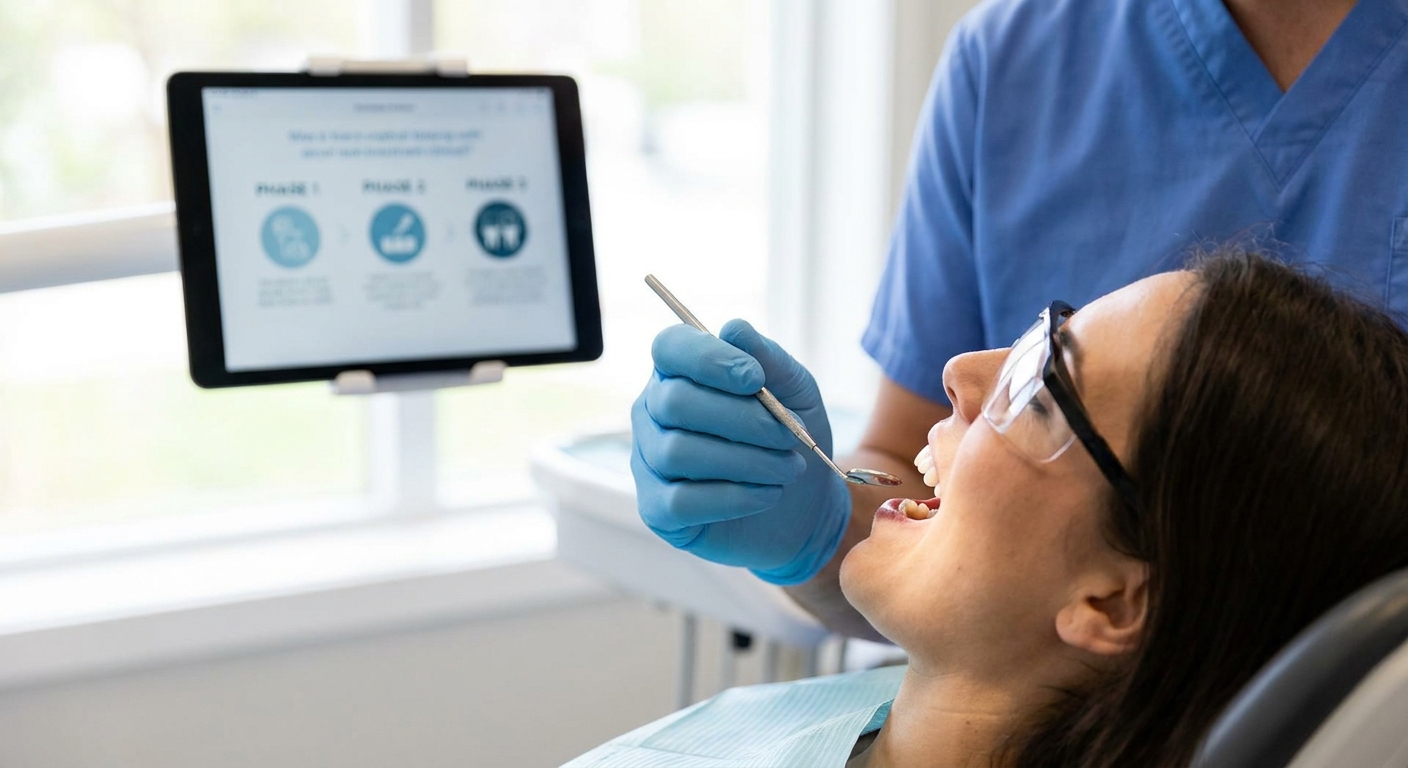
Why Full Mouth Reconstruction Is Not Done All at Once: Understanding Phased Treatments
Ensuring Proper Healing Between Procedures
After any surgical step—such as tooth extraction, bone grafting, or implant placement—the surrounding tissue needs time to recover. Bone grafts must integrate with your existing jawbone, and implants require a period of osseointegration before they can support a crown or bridge. If we rush from one invasive procedure to the next, we risk infection, failed integration, or compromised results.
We typically wait several weeks to several months between major phases, depending on your healing response. This is not a delay; it is the treatment.
- Bone grafts need time to form a stable base for implants.
- Extraction sites must close and fill in before placing restorations.
- Gum tissue must be healthy before final crowns or dentures are seated.
Managing Complexity and Comprehensive Care
Full mouth reconstruction often involves multiple procedures—periodontal therapy, extractions, bone grafting, implant placement, and final prosthetics. Coordinating these steps in phases lets us manage each one with full attention. We can also coordinate with specialists such as periodontists or oral surgeons when needed, ensuring every stage is done correctly.
Allowing for Adjustments Based on Patient Response
No two mouths heal the same way. By staging treatment, we can observe how your gums, bone, and bite respond after each step. If your bite feels off or a temporary restoration reveals a problem, we can modify the plan before investing in permanent work. This flexibility is one of the strongest reasons a full mouth reconstruction is not done all at once.

The Step-by-Step Phases of Full Mouth Reconstruction
Initial Evaluation and Treatment Planning
The first phase is not a procedure on your teeth but a thorough diagnostic process. We take digital X-rays, photographs, and impressions of your upper and lower arches. We examine your gums for periodontal disease, assess your bite, and note the condition of every tooth. Then we create a written, step-by-step plan that sequences each treatment so healing and stability are built in from the start.
During this phase, we also discuss your goals for comfort, function, and appearance. That conversation shapes the final restorations.
Preparatory Procedures: Extractions, Bone Grafts, and Gum Therapy
Before we can place implants or permanent crowns, your mouth needs a healthy foundation. If you have teeth that cannot be saved, we remove them and allow the sockets to heal. If you have bone loss from periodontal disease or missing teeth, we may place bone grafts to rebuild the ridge. Gum disease is treated with scaling and root planing or, when needed, more advanced periodontal therapy.
These preparatory procedures are usually performed first and may take several months to complete, but they are essential for long-term success.
Placement of Implants or Core Restorations
Once your gums and bone are healthy, we place dental implants or begin core restorations on natural teeth. Implants are surgically positioned in the jawbone and then left to integrate for a period of time. For natural teeth that will receive crowns or bridges, we prepare the tooth structure and place temporary restorations so you can function while the final prosthetics are being fabricated.
Fabrication and Fitting of Final Prosthetics
After integration and healing are confirmed, we take final impressions and design your permanent crowns, bridges, implant-supported dentures, or a combination. You may wear temporary restorations for several weeks while the final prosthetics are made in the lab. Then we try in the final restorations, check your bite, and make any last adjustments before cementing or screwing them into place.
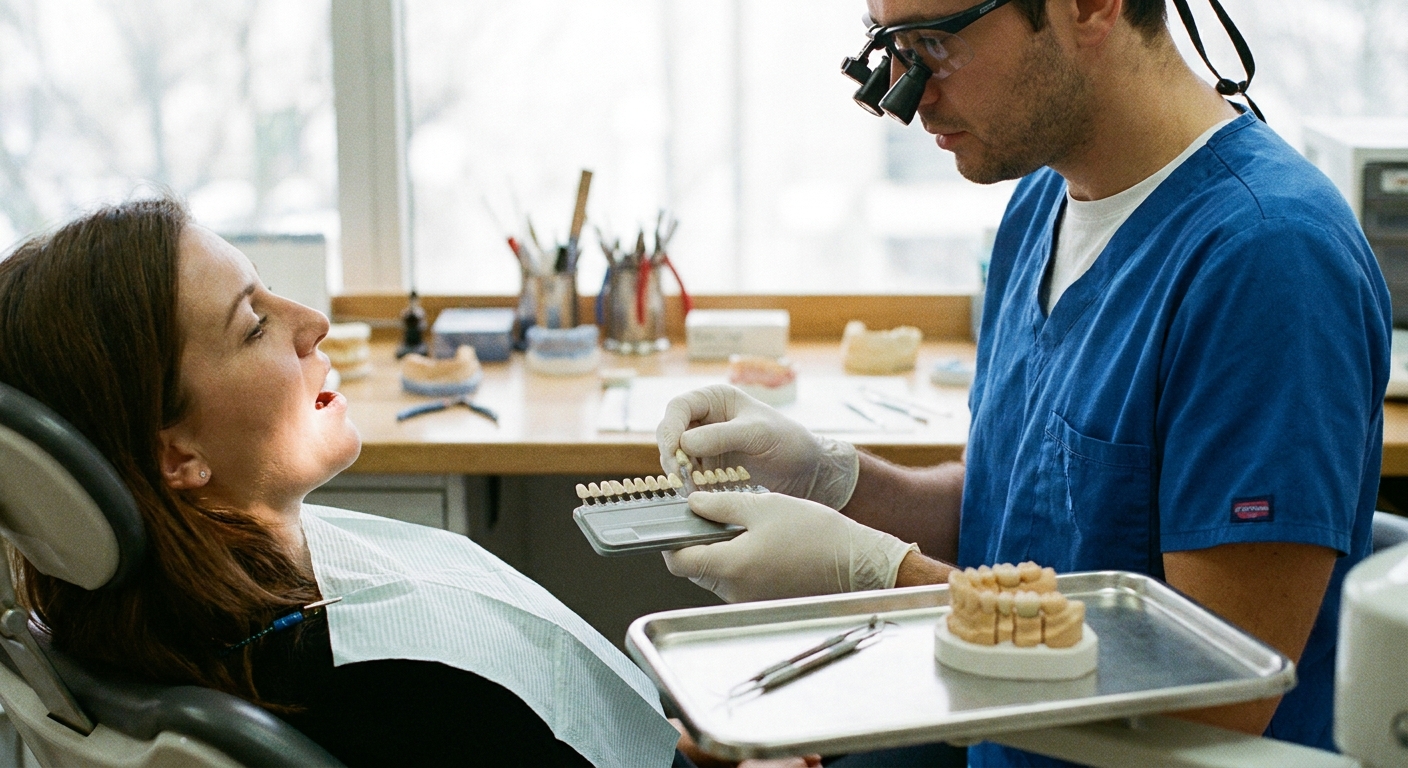
Typical Timeline: How Long Does the Entire Process Take?
Average Duration for Common Reconstruction Scenarios
Most full mouth reconstructions take at least 12 months from start to finish, and many take longer. For example, if you need extractions and bone grafting before implants, you may wait 3 to 6 months for the graft to heal, then another 3 to 6 months for the implants to integrate before final teeth are attached. Cases that involve only crowns and veneers on healthy teeth may be faster, but still require multiple appointments for preparation, temporaries, and final placement.

Key Factors That Influence Healing and Appointment Intervals
- Bone density and volume: If your jawbone is thin, grafting and healing take longer.
- Gum health: Active periodontal disease must be controlled before surgery.
- Number of implants or restorations: More sites mean more appointments and longer recovery.
- Your overall health: Conditions like diabetes or smoking can slow healing.
- Bite stability: If orthodontics or bite adjustment is needed, that adds time before final restorations.
Why a Phased Timeline Leads to Better Long-Term Results
A phased approach may feel slow, but each waiting period is part of the treatment. Rushing through bone grafting or implant integration increases the risk of failure, which means starting over. By respecting your body’s healing timeline, we build restorations on a stable foundation that can last for decades.
Can Your Treatment Plan Change Along the Way?
Adjustments Based on Healing Progress
Yes. A full mouth reconstruction plan is a living document. If an implant site is healing more slowly than expected, we may postpone the next phase by a few weeks. If bone grafting takes exceptionally well, we might move the next appointment forward. Healing is not always predictable, and a phased plan gives us the flexibility to adapt.
Incorporating Patient Feedback for Comfort and Aesthetics
Your feedback matters at every stage. With temporary restorations, you can tell us if the shape feels too bulky, the shade looks off, or the bite causes discomfort. We use that input to refine the final prosthetics. Because we have not rushed to permanently cement everything at once, we can make these changes without undoing completed work.
Diagnostic Reevaluations and Plan Modifications
At key milestones, we take new X-rays or impressions and compare them to our initial plan. If your jaw position has shifted slightly or a tooth responded differently than expected, we adjust the remaining steps. This may mean changing the number of implants, altering the design of a bridge, or adding a soft tissue procedure before final restorations.
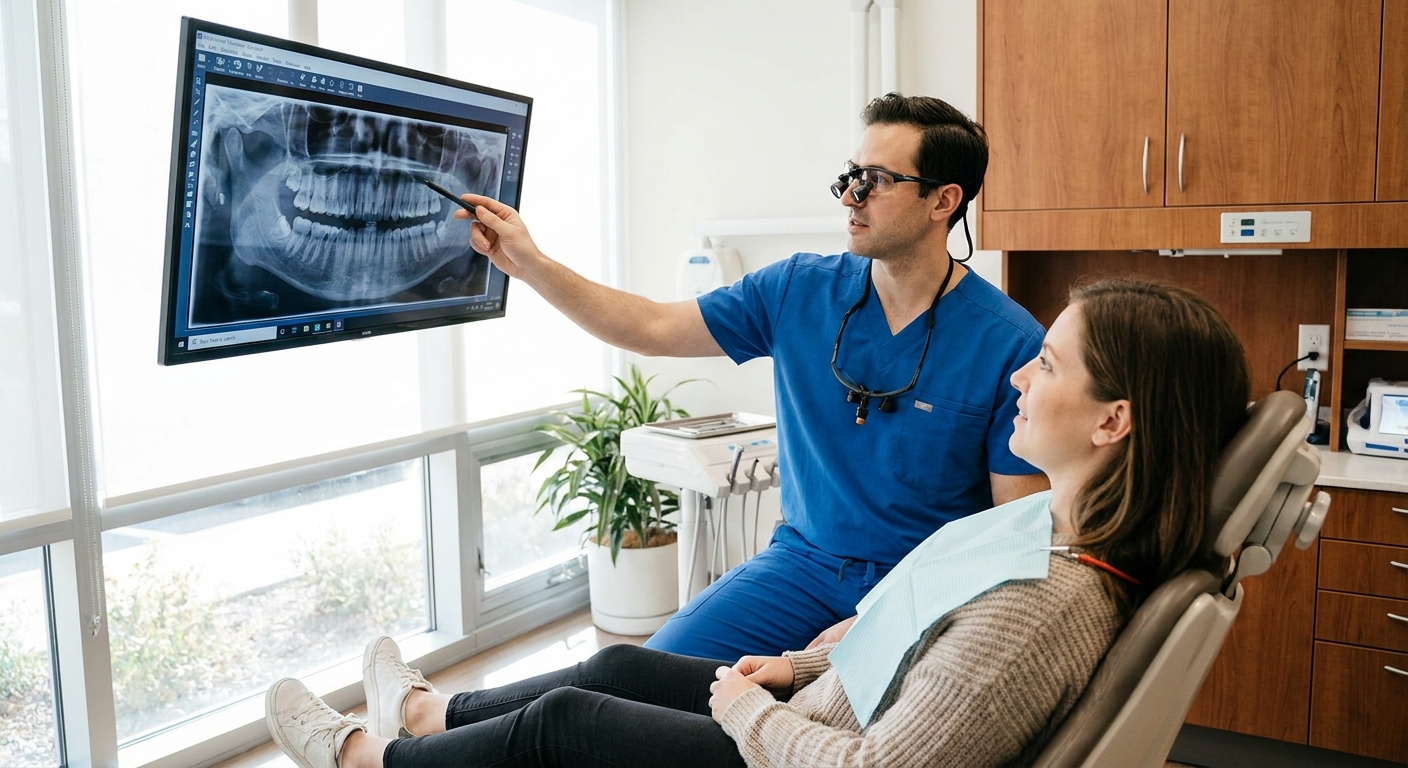
Take the First Step Toward a Healthier Smile
Full mouth reconstruction is a significant commitment, but it does not have to feel overwhelming. When you understand that treatment is phased—and why—you can approach each appointment with confidence. The first step is a comprehensive evaluation. We will examine your mouth, listen to your goals, and map out a phased plan that respects your healing and your schedule. Contact our office to book that initial assessment and learn what your own timeline might look like.