

Dental tourism promises a quick, inexpensive smile transformation, but the hidden risks often surface only after you return home. Many patients discover that what seemed like a bargain becomes a cascade of infections, implant failures, and corrective surgeries. Understanding these risks before you book a flight can save you from irreversible damage and years of discomfort.
When implant treatment is rushed or poorly planned, the consequences are not merely cosmetic. A dental implant is a surgical procedure that requires precise diagnosis, careful planning, and adequate healing time. Choosing a local implant specialist means you receive an accountable, regulated standard of care with continuity from start to finish.
Inadequate Screening and Treatment Planning
One of the most serious risks of dental tourism is the lack of proper screening before treatment. Overseas clinics often rely on quick photo consultations or assessments conducted in hotel rooms by representatives who are not licensed dentists. Without a full clinical examination, medical history review, and diagnostic imaging, the treatment plan may be based on guesswork.
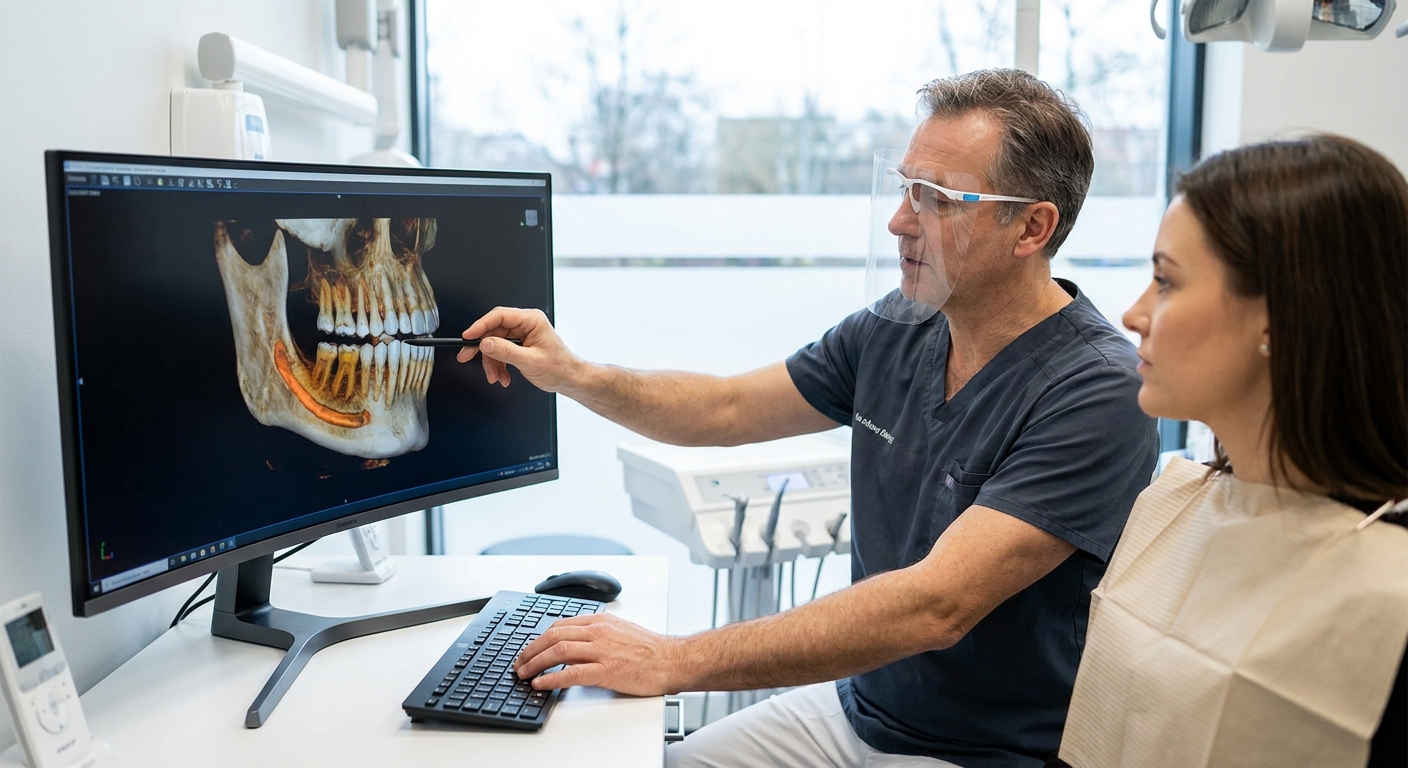
In our practice, we begin every implant case with a comprehensive assessment. We review your medical history, evaluate your bone density with 3D imaging, and identify any underlying conditions such as gum disease or insufficient bone volume. This step is not a formality; it determines whether an implant is safe for you right now or whether preparatory treatment is needed first. Skipping it invites implant failure, infection, and nerve damage.
Rushed Treatment Timelines and Improper Healing
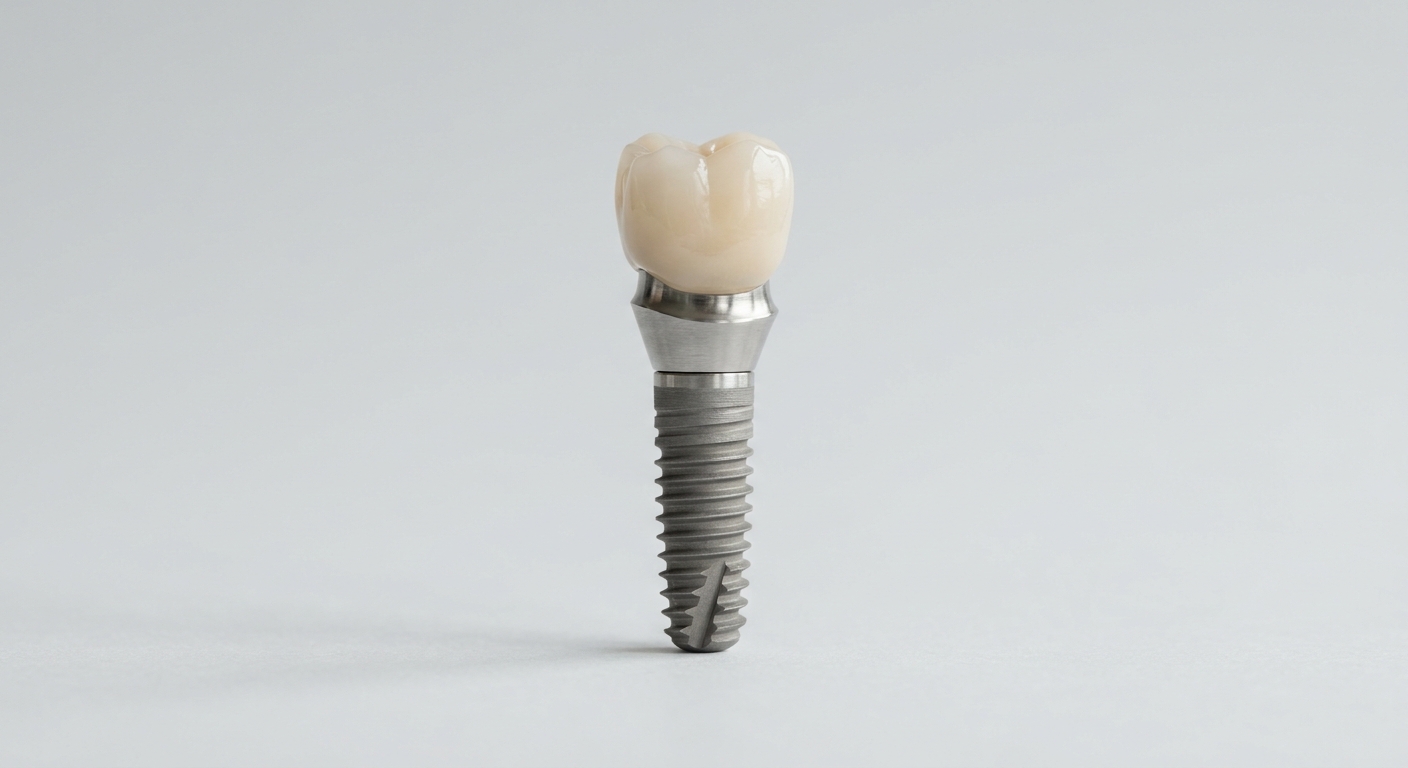
A dental implant must fuse with the jawbone through a process called osseointegration. This biological process typically takes four to six months before a crown can be safely attached. In dental tourism, however, patients are often scheduled for implant placement and crown delivery within days. The implant is loaded immediately, long before the bone has accepted it.
When implants are loaded too early, they can become loose, fail to integrate, or cause bone loss. Correcting this requires removing the failed implant, placing a bone graft, and starting the entire process again with proper healing time. A local specialist follows evidence-based loading protocols and will never compromise your long-term health for the sake of a fast result.
Lower Regulatory Standards and Infection Control
Dental regulations vary wildly between countries. Many popular dental tourism destinations do not enforce the same sterilization, equipment maintenance, or practitioner licensing standards that you would expect at home. Reusing instruments, inadequate autoclaving, and improper handling of biological waste can expose you to bloodborne infections.
Local implant specialists operate under strict regulatory oversight. We follow universal precautions, use single-use disposable items where appropriate, and maintain meticulous sterilization logs. Infection control is not an afterthought; it is a daily, audited process that protects every patient.
Sinus and Nerve Damage Risks with Upper Implants
The upper jaw sits directly below the maxillary sinuses, and the lower jaw contains the inferior alveolar nerve. Placing an implant without precise 3D imaging risks perforating the sinus membrane or damaging the nerve, leading to chronic sinus infections, numbness, or permanent tingling. Cases of sinus perforation after dental tourism often require emergency surgery.
We use cone-beam computed tomography (CBCT) to map your anatomy before any implant placement. This allows us to determine the exact position, angle, and depth of each implant while avoiding vital structures. The scan also reveals bone quality and quantity, so we can plan a safe trajectory or recommend a sinus lift or bone graft if needed.
Lack of Continuity of Care and Aftercare
Implants are not a one-and-done procedure. They require follow-up appointments to monitor healing, adjust the bite, and catch early signs of complications. When you receive treatment abroad, returning for these appointments is often impractical or impossible. Many patients are left to navigate postoperative pain, swelling, or loosening on their own.
In our own practice, we see patients who return from overseas with complications. Having placed implants for over four decades, we know that every case needs structured follow-up. A local specialist provides scheduled reviews, professional cleanings, and immediate access if something feels wrong. This continuity is essential for long-term implant success and your peace of mind.
Communication Barriers and Informed Consent
Language barriers can turn a complex surgical discussion into a dangerous misunderstanding. Patients may not fully grasp the risks, alternatives, or postoperative instructions when the clinician does not share their language. Informed consent requires more than a signature; it requires a real conversation where you understand exactly what will happen and why.
Local specialists communicate in your language, listen to your concerns, and explain every step in plain terms. We provide written treatment plans, review potential complications, and answer all your questions before you commit. You should never feel rushed or confused about a procedure that will affect your health for decades.
Limited Legal Recourse and Accountability
If something goes wrong at home, you have clear pathways for complaint and compensation through regulatory bodies and the legal system. Abroad, those protections are often weak or nonexistent. Navigating a foreign legal system, proving negligence, and enforcing a judgment can be prohibitively difficult and expensive.
A local implant specialist is accountable to professional licensing boards, and our clinic carries appropriate liability coverage. This accountability drives us to maintain high standards in every case, because we are part of your community and our reputation depends on your long-term well-being.
Irreversible Damage and Corrective Surgery
The most tragic outcomes of dental tourism are irreversible. Aggressive tooth preparation for veneers can destroy healthy tooth structure, leaving teeth that die or require root canals. Poorly placed implants can cause bone loss, damage adjacent teeth, or fail catastrophically. Corrective surgery often involves removing the failed work, grafting bone, and rebuilding the mouth from scratch.
We have seen patients who needed full arch reconstruction after overseas treatment. The physical and emotional toll is enormous, and the corrective process is longer and more complex than the original treatment would have been. Choosing a local specialist who prioritizes conservative, staged treatment protects your natural teeth and your overall health.
Unrealistic Expectations from Social Media Marketing
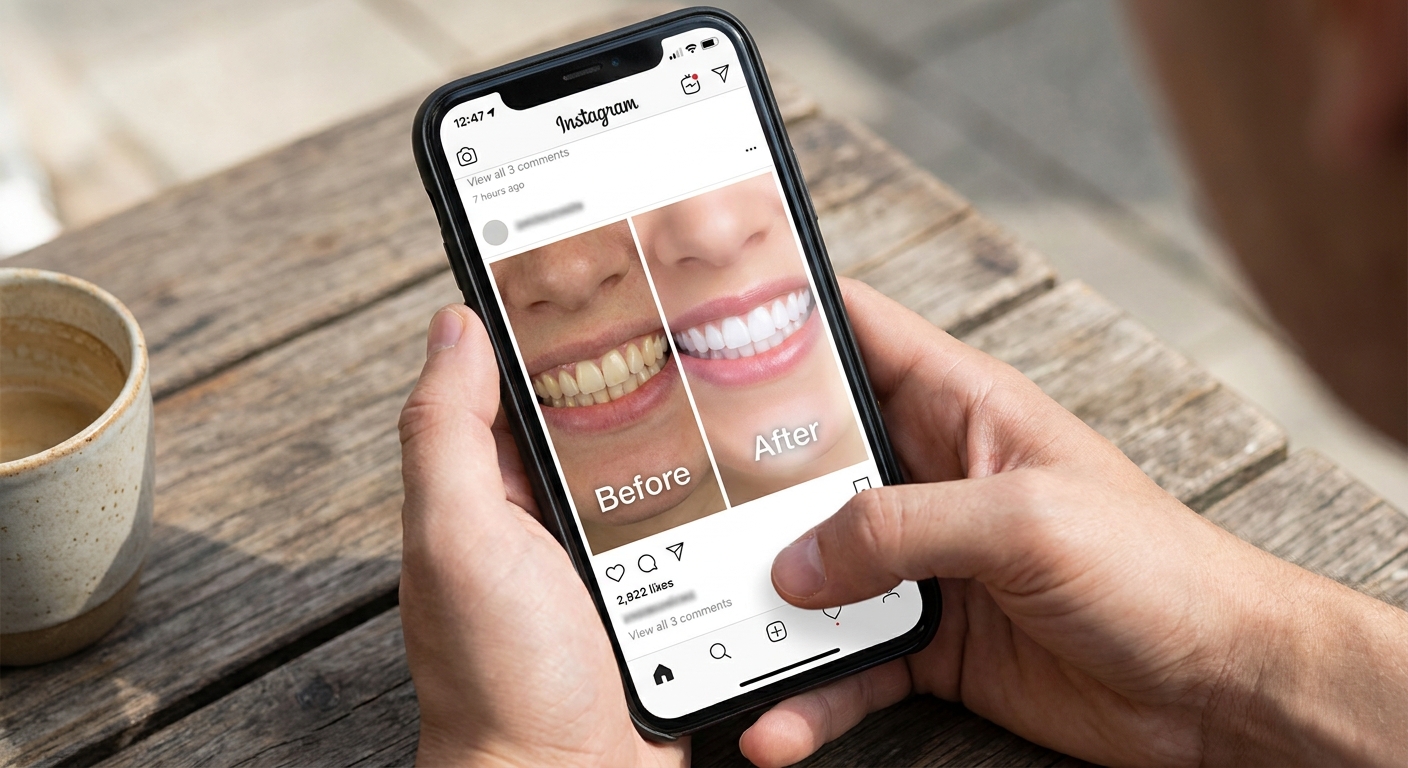
Social media feeds are flooded with before-and-after photos of perfect smiles, often attached to aggressive sales tactics. These posts rarely show the failed cases, the post-op infections, or the patients who returned home with pain and regret. The hard sell promises a dream outcome while hiding the very real risks.
We encourage you to look critically at these promotions. Ask for detailed treatment plans, verify the clinician’s credentials, and insist on seeing long-term results. A responsible implant specialist will discuss limitations, not just possibilities, and will never pressure you into a decision.
Aesthetic Differences and Cultural Mismatch
Different cultures have different concepts of beauty. A smile that looks ideal in one country may appear unnatural or even cartoonish where you live. Tooth shape, shade, and gum contours are highly personal, and a dentist who understands your cultural context is better able to design a smile that fits your face and your expectations.
Local specialists are trained in the aesthetic norms of your community. We work with you to select crown shapes, shades, and positions that look natural and harmonious. This collaborative process is impossible to replicate in a short overseas visit.
The Local Advantage: Why Choosing a Local Implant Specialist Is Safer
Choosing a local implant specialist means you benefit from comprehensive screening, proper healing timelines, strict infection control, and continuity of care. You can communicate clearly, give informed consent, and hold your provider accountable if anything goes wrong. The result is not just a successful implant, but a long-lasting, healthy smile backed by a professional relationship.
When you consider the full arc of implant treatment, the safest choice is always the one that keeps you close to home. No travel itinerary can replace the value of a specialist who knows your mouth, your history, and your goals.