


When you are missing teeth in the upper back of your mouth, replacing them is not always as simple as placing a titanium post into the jaw. Often, the bone in this area has thinned out over time, and the air-filled sinus cavities rest too close to the gumline to safely support a restoration. This anatomical challenge is incredibly common, but it can be permanently resolved with a specialized bone-grafting procedure. If you are exploring your tooth replacement options, understanding sinus lifts for dental implants: what patients need to know is the first step toward rebuilding a secure, functional bite.
A sinus lift, also known as sinus augmentation, builds a strong foundation for your future teeth. By gently raising the sinus membrane and adding bone graft material beneath it, we create the necessary depth and density to anchor an implant securely. In this comprehensive guide, we will walk you through the anatomy of your jaw, the specific surgical techniques we use, and the recovery process so you can approach your treatment with complete confidence.
What is a Sinus Lift and Why is it Necessary for Dental Implants?
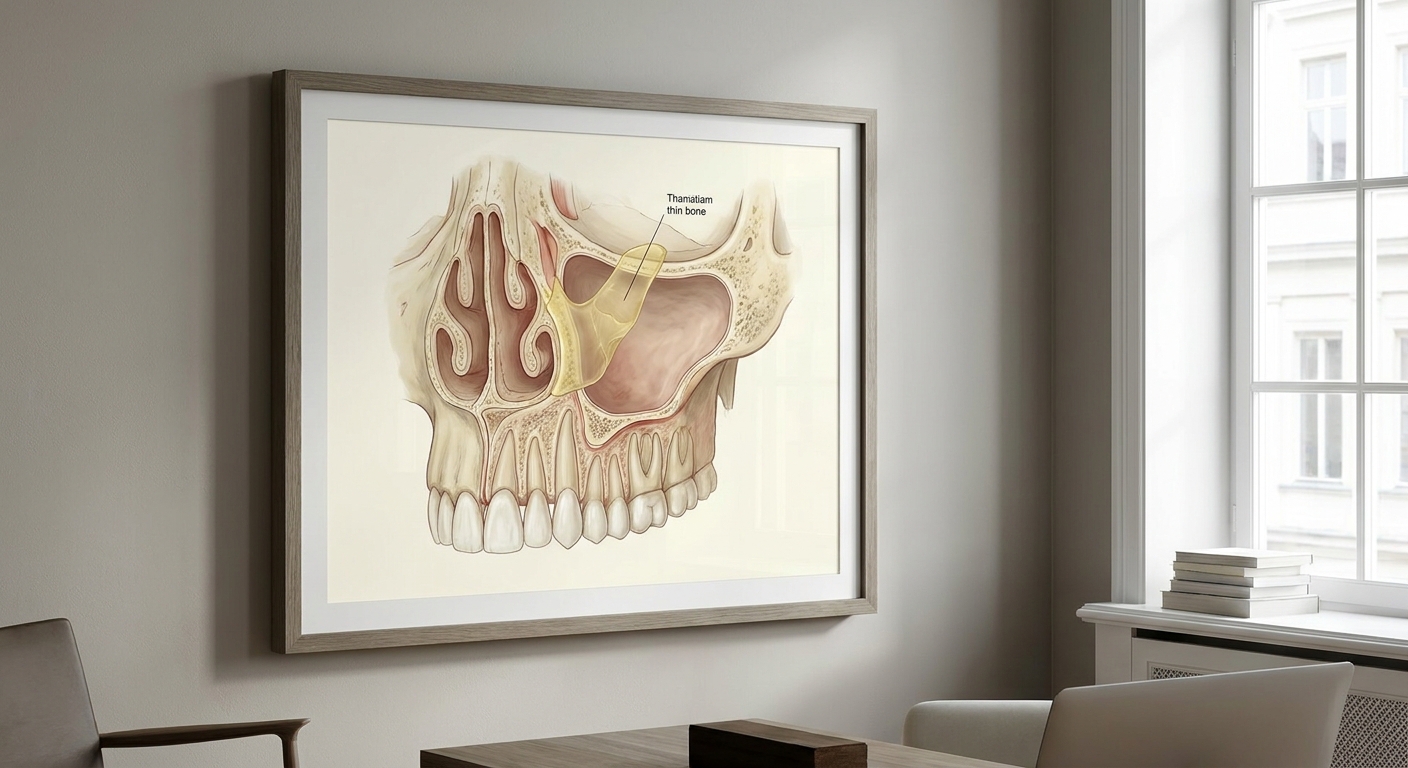
Anatomy of the Maxillary Sinus
The maxillary sinuses are hollow, air-filled cavities located just behind your cheekbones and directly above your upper back teeth (the molars and premolars). In many cases, the roots of these natural upper teeth extend upward into the sinus cavity. When these teeth are removed, only a very thin wall of bone separates the mouth from the sinus. Because the upper jaw naturally has less bone density than the lower jaw, this area requires careful evaluation before any restorative work begins.
The Connection Between Bone Height and Implant Success
A dental implant relies entirely on the quality and quantity of the surrounding bone to stay firmly in place. If we attempt to place an implant into an upper jaw with insufficient bone height, the titanium post could puncture the sinus membrane or fail to integrate properly, leading to implant failure. A sinus lift solves this problem by elevating the floor of the sinus cavity and packing the space with grafting material, providing a deep, robust foundation for the implant to anchor into.
Common Causes of Jawbone Loss: Are You a Candidate?
Previous Tooth Extractions and Bone Resorption
The most frequent reason patients require a sinus lift is bone resorption following tooth loss. Your jawbone requires the continuous stimulation of chewing from a tooth root to maintain its density. Once a tooth is extracted and the socket is left empty, the body begins to reabsorb the surrounding bone tissue, interpreting it as no longer necessary. Over time, the jawbone shrinks in height and width, while the sinus cavity expands downward into the empty space.
The Impact of Periodontal (Gum) Disease
Advanced periodontal disease is another major contributor to bone loss. Chronic bacterial infections in the gums eventually spread to the underlying bone that supports the teeth. As the bone deteriorates, teeth become loose and fall out or require extraction. Even after the infection is treated, the structural damage to the jawbone remains, making sinus augmentation necessary before implants can be considered.
Natural Sinus Anatomy and Facial Trauma
Not all bone deficiencies are caused by tooth loss or disease. Some patients are simply born with large sinus cavities or a naturally thin upper jawbone. Additionally, as we age, our sinuses naturally tend to enlarge. In other cases, facial trauma or previous complicated surgeries in the maxillary region can damage the bone, leaving insufficient volume for safe implant placement.
Types of Bone Graft Materials Used in Sinus Augmentation
Autogenous, Allogenic, and Xenograft Options
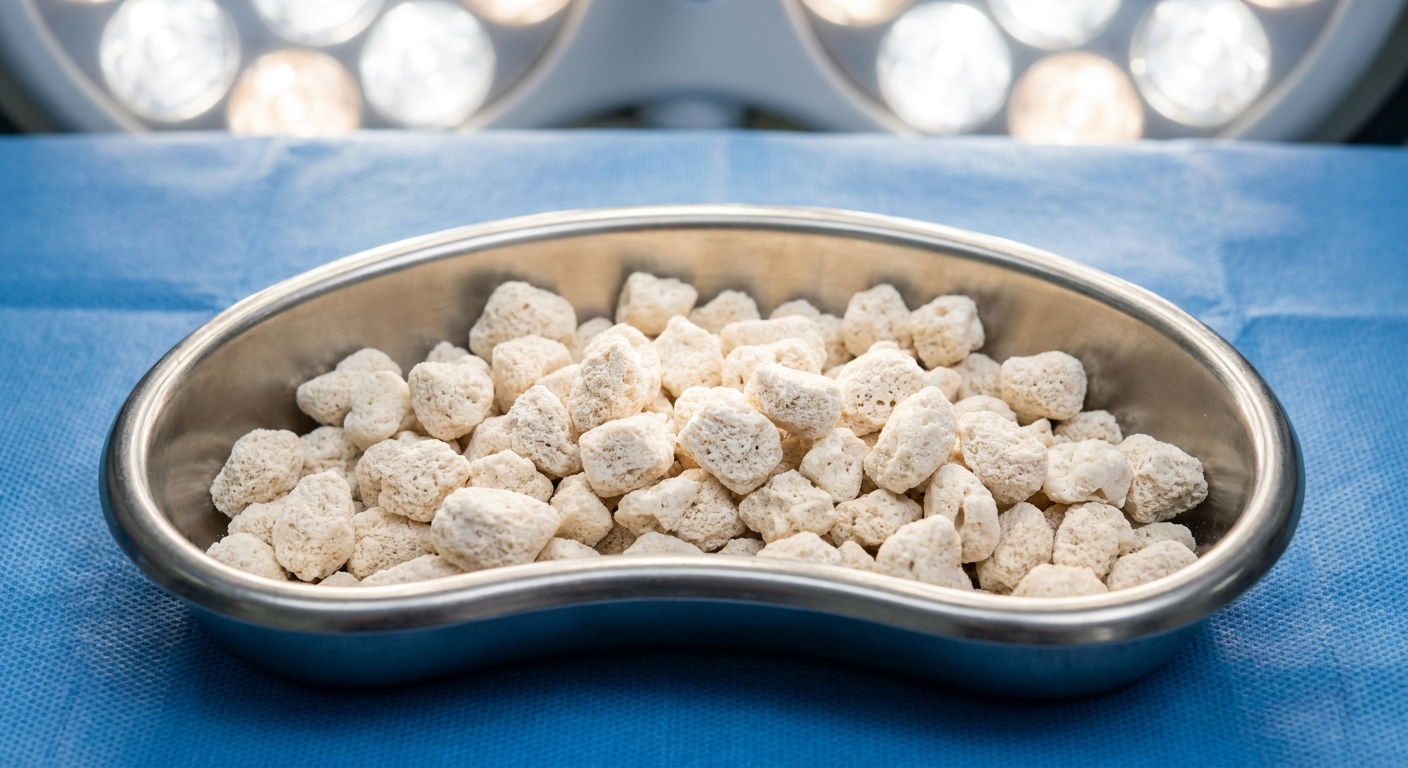
When performing a sinus lift, we select a bone grafting material that best suits your specific clinical needs. Autogenous bone is harvested from your own body, typically from another area of your mouth. Allogenic bone is sterilized, processed bone sourced from a human donor, which eliminates the need for a second surgical site on your body. Xenografts utilize highly sterilized and processed bone from an animal source, usually bovine (cow). Xenografts are exceptionally common and effective because they act as a reliable, long-lasting scaffold for your own natural bone cells to grow into over time.
Synthetic Bone Graft Alternatives
For patients who prefer not to use human or animal-derived products, synthetic bone grafts (alloplasts) are an excellent alternative. These are typically made from calcium phosphate or hydroxyapatite, which closely mimic the mineral composition of natural human bone. Like xenografts, synthetic materials provide a structural framework that encourages your body to deposit new bone cells, eventually integrating seamlessly with your natural jawbone.
Surgical Techniques: Lateral Window vs. Osteotome Procedures
The Direct Approach (Lateral Window)
The lateral window technique is the traditional and most common method for a sinus lift, particularly when a significant amount of bone height needs to be added. During this procedure, we make a small incision in the gum tissue to expose the side of the jawbone. We then create a small, circular “window” in the bone. The piece of bone cut out is gently pushed inward and upward, lifting the sinus membrane with it. The empty space underneath is then firmly packed with bone graft material.
The Indirect Approach (Osteotome)
When you already have a moderate amount of bone (usually more than 6 millimeters) and only need a slight elevation of the sinus floor, we may use the less invasive osteotome technique. Instead of creating a window on the side of the jaw, we access the sinus directly through the socket where the implant will be placed. Using specialized instruments called osteotomes, we gently tap the sinus floor upward and insert the graft material through the socket. With over 40 years of experience in restorative dentistry, our clinical team carefully evaluates your specific anatomical needs to determine the least invasive and most predictable surgical approach. We prioritize techniques that preserve natural tissue and promote faster healing.
Step-by-Step: What to Expect During Your Sinus Lift Surgery
Local Anesthesia and Making the Incision
Your comfort is our priority, so the procedure begins with the administration of local anesthesia to completely numb the surgical site. Once you are entirely comfortable and feel no pain, we make a precise incision in the gum tissue where your back teeth used to be. The gum is then gently pulled back to expose the underlying jawbone, giving us a clear view of the surgical area.
Lifting the Membrane and Placing the Graft
Depending on the technique chosen, we carefully create access to the sinus cavity. The delicate Schneiderian membrane that lines the sinus is meticulously lifted upward. This step requires precision to ensure the membrane remains intact. Once the membrane is elevated to the correct height, we pack the grafting material into the newly created space. Finally, we close the gum tissue with sutures and the initial healing process begins.
Essential Post-Operative Care and Recovery Instructions
Pain Management and Swelling Reduction
It is normal to experience mild to moderate swelling, bruising, and discomfort in your cheek or under your eye following a sinus lift. We will provide specific instructions for pain management, which typically involves a combination of prescribed medications and over-the-counter pain relievers. Applying an ice pack to the outside of your face in 20-minute intervals during the first 48 hours is highly effective at minimizing swelling. Keeping your head elevated, especially when sleeping, will also help reduce fluid buildup and throbbing.
Diet Modifications and Strict Precautions
Proper aftercare is critical to ensure the bone graft remains stable. You must stick to a soft diet for the first few days to avoid irritating the surgical site. Most importantly, you must avoid any actions that create pressure in your sinus cavity. This means absolutely no blowing your nose, no drinking through a straw, no smoking, and no playing wind instruments. If you feel the urge to sneeze, you must sneeze with your mouth open to prevent pressure from dislodging the graft. We also strongly advise against air travel for at least two weeks post-surgery due to cabin pressure changes.
Healing Timeline and Dental Implant Placement
The Osseointegration Period
Patience is key after a sinus lift. The bone grafting material needs time to fuse with your natural jawbone and harden into a solid foundation—a biological process known as osseointegration. This healing phase typically takes between four to nine months, depending on your body’s natural healing capacity and the volume of graft material placed. During your follow-up appointments, we will monitor your progress through clinical exams and imaging to confirm when the bone is dense enough to support an implant.
Single-Stage vs. Two-Stage Implant Placement
In some favorable cases, if you have enough existing bone to firmly stabilize the implant at the time of surgery (usually 4 to 6 millimeters of native bone), we can perform a single-stage procedure. This means the sinus lift and the dental implant placement happen during the same appointment. However, if your existing bone is too thin to hold the implant securely, we will use a two-stage approach. You will heal from the sinus lift first, and the implant will be placed several months later once the new bone has fully matured.
Understanding the Risks and Potential Complications
Sinus Membrane Perforation
While sinus lifts are routine and highly successful, they are surgical procedures and carry some risks. The most common complication is a puncture or tear in the sinus membrane during the lifting process. If this occurs, we can usually repair it immediately by stitching the tear or placing a protective collagen patch over it. If the tear is extensive, we may halt the procedure, allow the membrane to heal for a few months, and try again. Interestingly, the membrane often grows back thicker and stronger, making the second attempt much easier.
Infection and Graft Failure
As with any surgery, there is a small risk of infection. We typically prescribe a course of antibiotics and an antimicrobial mouthwash to mitigate this risk. In very rare cases, the body may fail to integrate the bone graft, meaning the area does not develop an adequate blood supply and the graft fails. If this happens, the site is allowed to heal, and the procedure can often be successfully repeated at a later date.
Warning Signs: When to Contact Your Oral Surgeon
Managing Continuous Bleeding or Fever
Some light oozing of blood from the surgical site or even your nose is entirely normal for the first 24 to 48 hours. However, if you experience continuous, bright red bleeding that does not stop after applying firm pressure with gauze for 30 minutes, you should contact us immediately. Similarly, a low-grade temperature is a normal immune response, but a fever exceeding 38°C (100.4°F) could indicate an infection that requires prompt medical evaluation.
Identifying a Dislodged Bone Graft
If you accidentally sneeze with your mouth closed or blow your nose, the sudden pressure can shift the graft. If you notice small, sand-like granules in your mouth or coming from your nose, or if you feel a distinct rush of air flowing between your nose and your mouth, contact our clinic right away. These signs suggest the graft may have been dislodged or the surgical site has opened, requiring professional attention to secure the area.
Next Steps on Your Journey to a Restored Smile
Learning about sinus lifts for dental implants: what patients need to know helps demystify the process and highlights just how advanced modern restorative dentistry has become. A lack of upper jawbone no longer means you have to settle for missing teeth or removable dentures. By carefully rebuilding your bone structure, we can provide a permanent, secure foundation for a beautiful new smile. If you have been told you lack the bone density for upper implants, contact our clinic today to schedule a comprehensive evaluation and discover how a sinus lift can safely restore your oral health.