


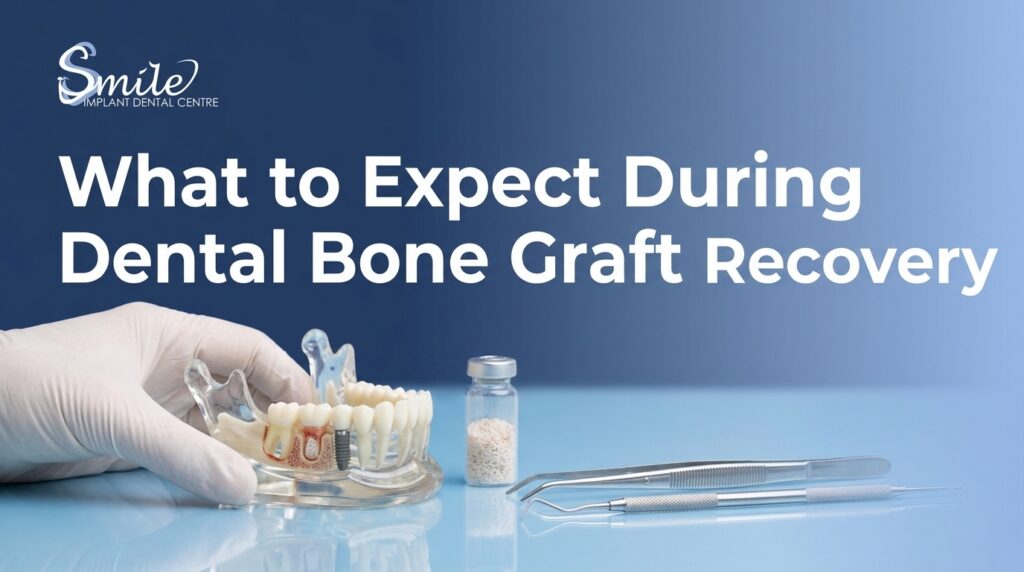
Most of the swelling and soreness after a dental bone graft improves within the first week, but the deeper bone healing you cannot feel continues for months. Understanding the difference between soft tissue recovery and bone maturation helps you follow the right aftercare at the right time.
We guide patients through recovery by focusing on three stages: the initial closure of gum tissue, the gradual replacement of graft material with new bone, and the final hardening that makes the site ready for an implant. The advice below reflects the post-operative instructions we give every day, adjusted to the size and location of each graft.
Dental Bone Graft Recovery Timeline: What to Expect
Overview of healing stages: initial, bone formation, maturation
After surgery, healing unfolds in three overlapping phases. The first is soft tissue closure, where the gum over the graft seals within about two weeks. The second is bone formation, when your body slowly replaces the graft material with new living bone, typically between two and ten weeks. The third is maturation, when the new bone hardens and reaches the density needed to support an implant.
Typical duration for each phase
- Initial soft tissue healing: 1 to 2 weeks. Swelling, tenderness, and minor bleeding resolve during this phase.
- Bone integration and early formation: 2 to 10 weeks. The graft becomes vascularized and new bone starts to form.
- Maturation and strengthening: 3 to 6 months for most grafts; larger grafts may take 9 to 12 months.
Visual timeline and key milestones
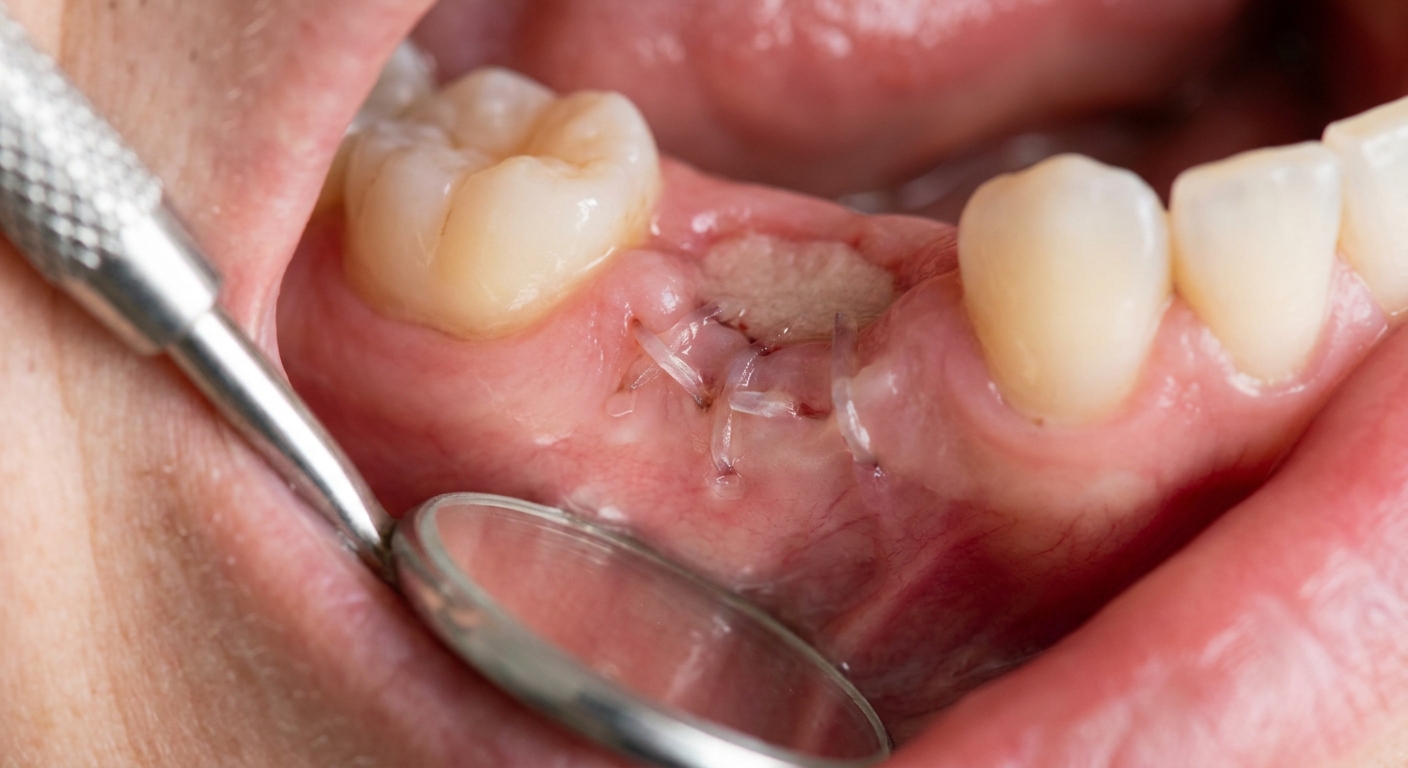
Most patients feel substantially better after the first week, but the deeper work continues quietly. Key milestones include: sutures dissolving or being removed within 1 to 2 weeks; returning to normal chewing on the opposite side after 2 weeks; and imaging that shows sufficient bone density before implant placement.
Immediate Post-Operative Care: First Few Days
Controlling bleeding and protecting the blood clot
The blood clot that forms over the graft site is the first protective layer for the new bone material. Bite gently on the gauze pad we place over the area for at least 30 minutes. After that, replace gauze only if light oozing continues; do not disturb the clot with your tongue, fingers, or vigorous rinsing.
Rest and head elevation
Keep your head elevated on two or three pillows for the first two to three nights. This reduces blood pressure in the head and limits swelling. Rest on the day of surgery, and plan for a quieter routine for the first 48 hours even if you feel fine.
Applying cold compresses
Cold therapy only helps during the first 24 to 48 hours. Apply an ice pack or a bag of frozen peas wrapped in a thin cloth to the outside of the cheek for 20 minutes on and 20 minutes off. After 48 hours, switch to warm compresses if swelling persists.

Managing Swelling, Pain, and Bruising
Recommended medications and pain relief
We typically recommend over-the-counter ibuprofen or acetaminophen for most patients, taken as directed and with food to avoid stomach upset. If we prescribe a stronger medication, use it only for breakthrough pain and stop as soon as comfort allows. Do not drive while taking opioid pain relievers.
Using ice packs effectively
The 20-minutes-on, 20-minutes-off schedule delivers the most benefit without damaging skin. Continue this pattern through the first day, then reassess. Swelling usually peaks between 48 and 72 hours, so do not be alarmed if you feel more swollen on day two than day one.
When swelling is normal vs concerning
Mild to moderate swelling that peaks within three days and then gradually improves is expected. Contact us if swelling suddenly increases after day four, if you cannot open your mouth, or if one side of your face becomes significantly more swollen and hot to the touch.
What to Eat and Avoid After a Dental Bone Graft
Soft foods and liquid diet recommendations
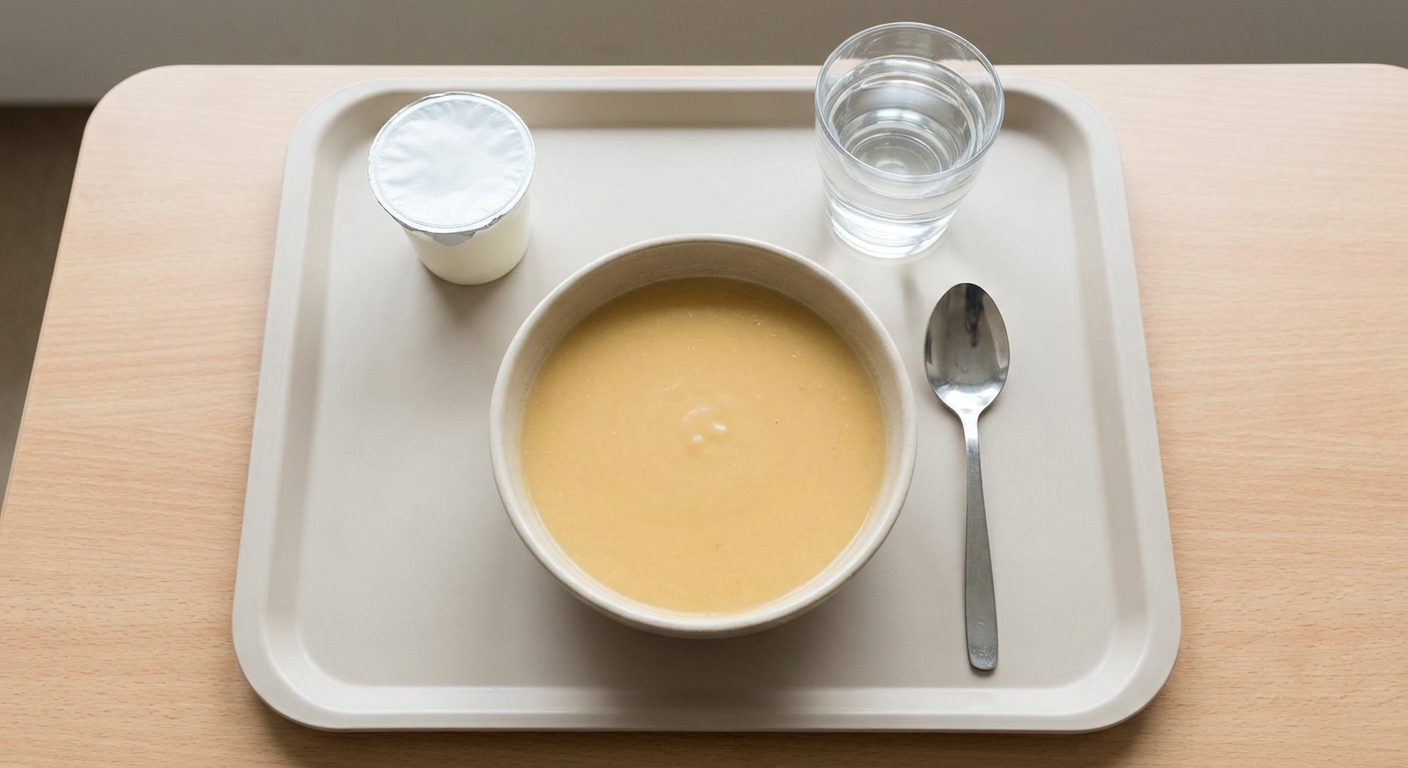
For the first 24 to 48 hours, choose cool or room-temperature liquids and very soft foods. Good options include yogurt, smoothies (eaten with a spoon, not a straw), mashed potatoes, scrambled eggs, applesauce, and well-blended soups that are not hot.
Foods to avoid: hard, crunchy, spicy, hot
Avoid anything that requires chewing pressure near the graft site or that could irritate the tissue. Steer clear of chips, nuts, raw vegetables, crusty bread, popcorn, spicy sauces, and hot beverages for at least one week. Hot foods and drinks can dissolve the blood clot and increase bleeding.
Hydration and nutritional support for healing
Drink plenty of water between meals, but do not use a straw. Protein and vitamin C support tissue repair, so include soft scrambled eggs, Greek yogurt, and pureed vegetables as soon as you can tolerate them. If you have diabetes or another condition that affects nutrition, keep your meals consistent to maintain stable blood sugar.
Oral Hygiene and Protecting the Graft Site
How to clean teeth without disturbing the graft
Starting the day after surgery, you can brush the teeth that are far from the surgical site using a soft-bristled manual toothbrush. Avoid electric toothbrushes for the first two weeks, because the vibrations can disturb the graft. Spit gently or let saliva fall into the sink; do not swish forcefully.
Using prescribed mouth rinses
If we prescribe an antimicrobial rinse, use it exactly as directed, usually twice daily. Otherwise, begin gentle warm salt water rinses 24 hours after surgery: dissolve half a teaspoon of salt in a cup of warm water and let it roll out of your mouth. Do not spit forcefully.
Avoiding direct brushing on the site initially
Keep the toothbrush at least one tooth away from the graft site for the first two weeks. After about 14 days, if the area feels comfortable and we have confirmed healing at a follow-up, you can begin very gentle cleaning of the gum line with a soft brush.
Activity Restrictions and Habits to Avoid
Physical activity limitations
Avoid heavy lifting, running, and any exercise that raises your heart rate significantly for at least 48 hours after surgery. If your graft was large or involved a sinus lift, we may recommend waiting one week before returning to moderate activity. Slow walking is fine.
Smoking and alcohol avoidance
Smoking and vaping constrict blood vessels and dramatically slow bone healing, increasing the risk of graft failure. Stop for at least two weeks after surgery, and ideally longer. Alcohol should also be avoided for at least two weeks, as it can interfere with pain medications and dehydrate healing tissues.
Avoiding suction (straws, spitting) and sneezing with open mouth
Any suction can dislodge the blood clot and the graft particles themselves. Do not use straws, do not spit forcefully, and if you need to sneeze, sneeze with your mouth open to release pressure through the mouth rather than the nasal passages or surgical site. Avoid blowing your nose for at least two weeks if the graft was in the upper jaw near the sinus.
Warning Signs: When to Contact Your Dentist
Signs of infection: fever, pus, worsening pain
A low-grade temperature of up to 38°C (100.4°F) can be normal in the first day. But a fever above that, a foul taste with pus, or pain that becomes worse after day three instead of better are signs of possible infection and need prompt attention.
Excessive bleeding or graft dislodgement
Light oozing for the first 24 hours is expected. If bleeding fills your mouth rapidly, or if you notice a sudden increase in grit-like particles from the site that looks like a significant amount of graft material, call us. Bite on a moistened tea bag if bleeding is brisk while you reach out.
Prolonged numbness or allergic reactions
Temporary numbness of the lip, chin, or tongue can occur from the local anesthetic and should fade within hours. If numbness persists beyond 24 hours, let us know. Also contact us if you develop hives, itching, swelling of the throat, or difficulty breathing, which could indicate an allergic reaction to medication or materials.
Factors That Influence Bone Graft Healing Time
Patient health factors: age, medical conditions
Healing tends to be faster in younger, healthy patients, but age alone is not a barrier. Conditions such as uncontrolled diabetes, autoimmune disorders, and osteoporosis can slow bone regeneration. Tell us about all medical conditions and medications, including blood thinners, before surgery so we can adjust the plan.
Graft type and size
Small socket preservation grafts usually integrate faster than large block grafts or sinus lifts. The graft material also matters: your own bone has living cells and growth factors, while donor, animal, or synthetic materials act as scaffolds that your body remodels more gradually.
Post-operative care compliance
The single biggest variable under your control is how closely you follow aftercare instructions. Patients who avoid smoking, stick to soft foods, and keep follow-up appointments consistently heal on schedule, while missed instructions are the most common reason for delayed integration.
Tips to Promote Healing and Speed Up Recovery
Adequate rest and stress management
Your body builds new bone during deep rest. Aim for seven to nine hours of sleep each night in the first two weeks, and keep stress low because stress hormones can slow tissue repair. If pain interferes with sleep, take pain medication about 30 minutes before bedtime.
Balanced nutrition and supplements if advised
Focus on protein, vitamin C, vitamin D, and calcium from soft food sources like Greek yogurt, pureed fish, and fortified smoothies. Do not start any new supplement without asking us, because some supplements such as vitamin E or high-dose fish oil can thin the blood and increase bleeding.
Follow-up appointments and dentist recommendations
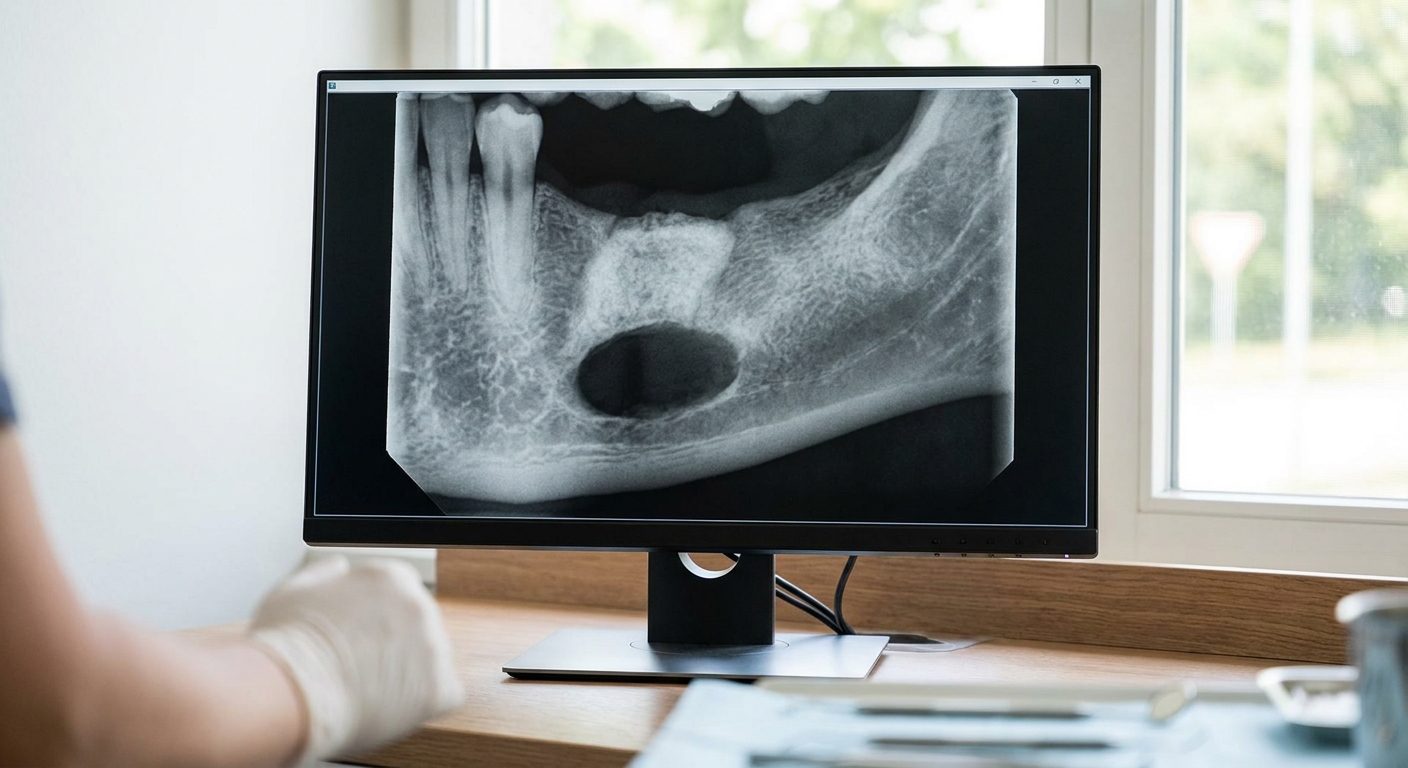
Keep every scheduled follow-up. We use these visits to check soft tissue closure, remove sutures if needed, and take imaging to see how the graft is integrating. If we recommend a temporary denture or a specific rinse, use it exactly as prescribed.
Long-Term Healing and Next Steps
Bone maturation process over several months
Even after your gum feels completely normal, the new bone is still remodeling and gaining density. This quiet phase typically lasts three to six months for smaller grafts and up to twelve months for larger ones. We monitor this with X-rays or cone beam scans before proceeding.
Preparing for dental implant placement
Once imaging shows adequate bone volume and density, we can schedule the implant placement. Most patients are ready between three and six months after grafting. Waiting too long after the bone has matured can lead to some loss of graft volume, so we usually aim to place the implant within six to twelve months.
Maintaining oral health during the waiting period
Continue brushing twice daily, flossing the teeth that are not near the graft, and using any recommended rinse. Attend regular cleanings unless we tell you otherwise. If you notice any changes such as a sharp edge, gum recession, or new mobility of the graft site, contact us before your next scheduled visit.
If you are preparing for a bone graft or already in recovery and have questions about what you are feeling, we are here to help you assess the next step. Call our office to speak with a member of our clinical team and schedule a follow-up if anything feels off.